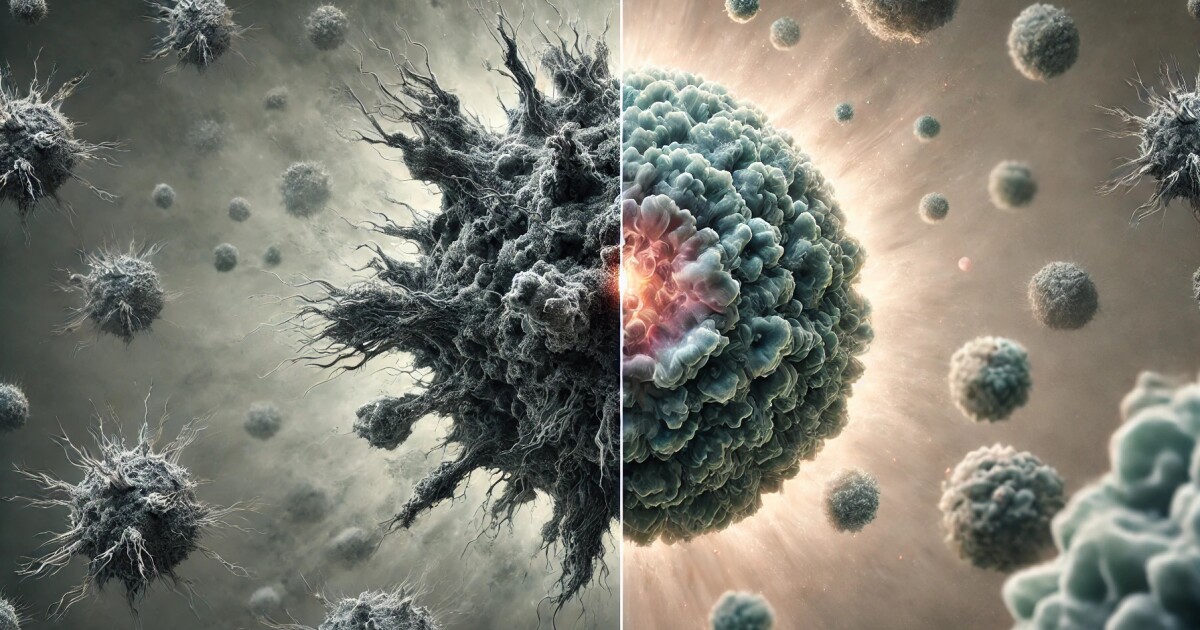
Scientists at the Korea Advanced Institute of Science and Technology (KAIST) in South Korea have achieved a revolutionary breakthrough in the fight against colorectal cancer. Instead of killing cancer cells—like traditional chemotherapy and radiation do—they’ve developed a method to revert them back to normal-like cells!
The study, led by Professor Kwang-Hyun Cho from the Department of Bio and Brain Engineering, was published in December 2024 in the prestigious journal Advanced Science.
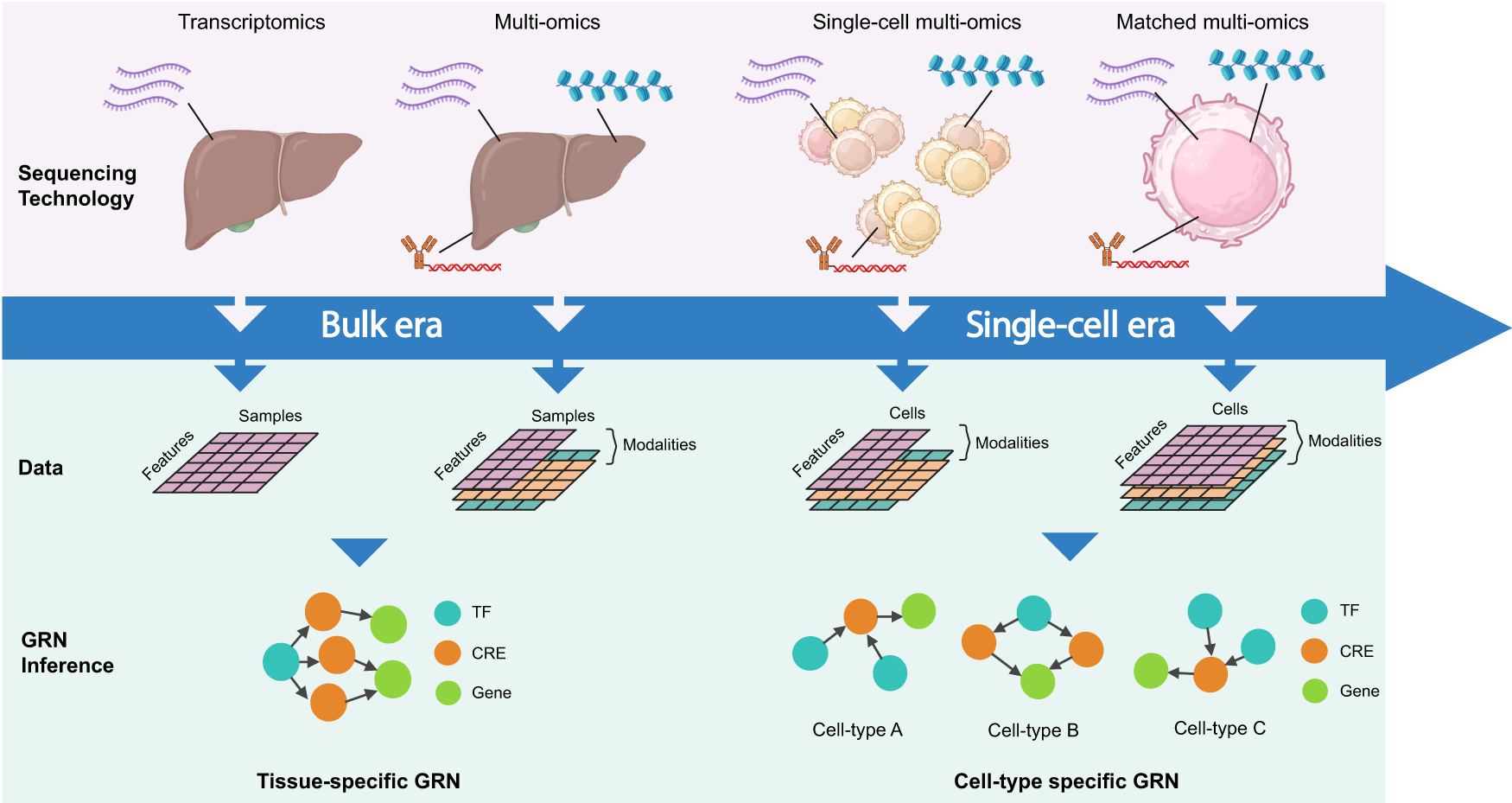
The team used a digital twin model of gene regulatory networks to simulate the behavior of colon cancer cells.
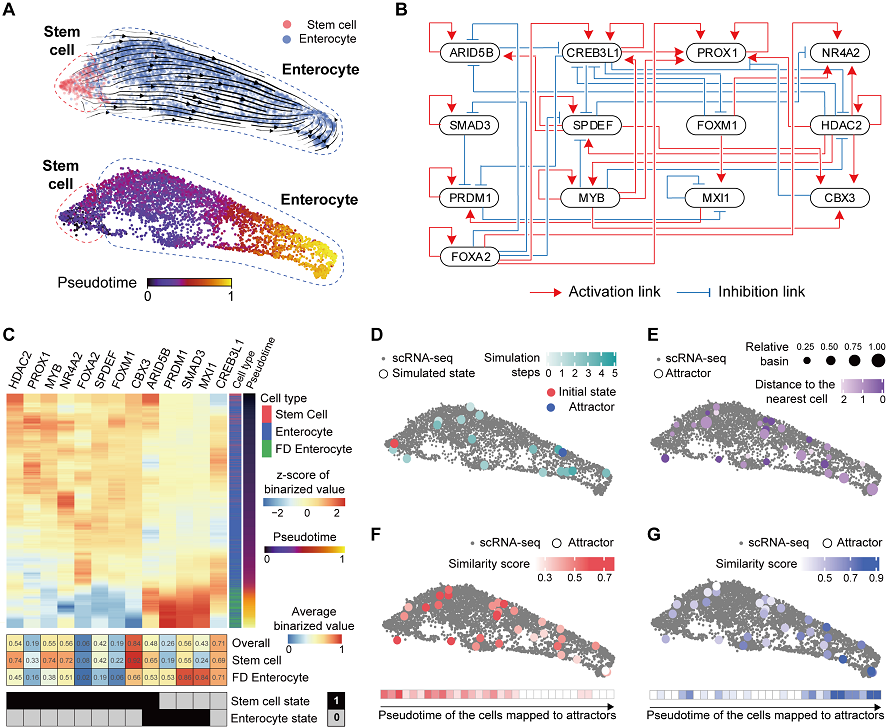
By analyzing these complex networks, they identified key molecular switches—critical nodes that maintain the cancerous state. These nodes act like “switches” controlling gene expression for uncontrolled proliferation, invasion, and resistance to cell death.
When they manipulated these switches in computer models and then in real lab cells, the tumor cells were reprogrammed: they stopped multiplying uncontrollably and began behaving like healthy colon cells.

This is crucial because current treatments rely on “brute force”—killing cancer cells but also damaging healthy ones, leading to severe side effects like hair loss, nausea, immune weakness, and long-term damage. Moreover, destroying the tumor doesn’t always address the regulatory root cause, which often leads to frequent relapses.
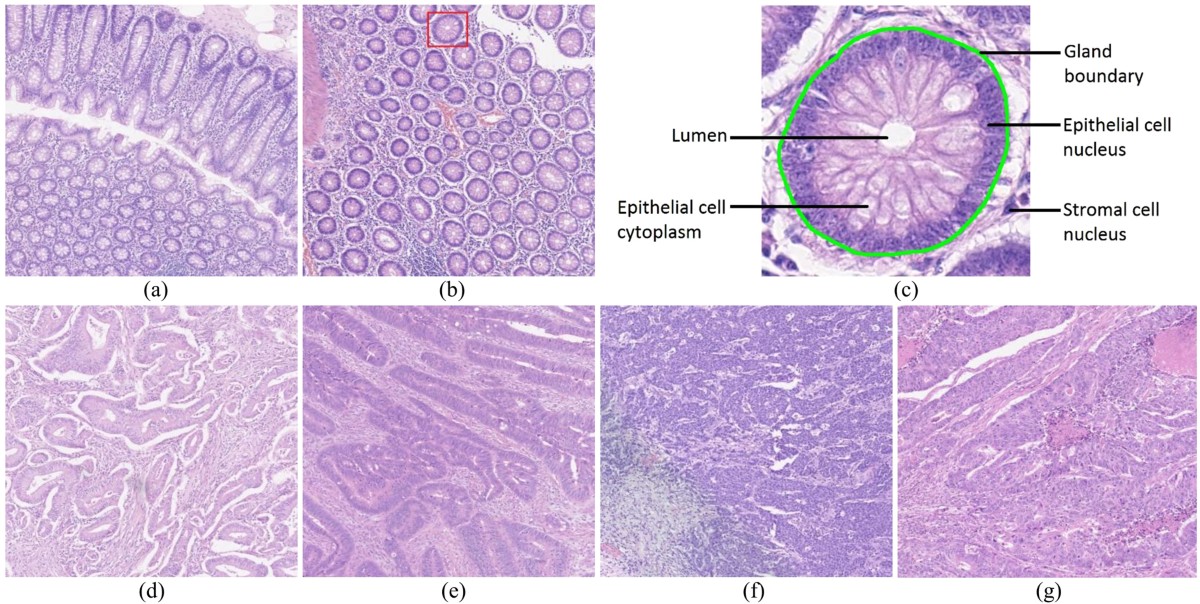
The new approach, called “reversible cancer therapy”, targets exactly that root: it reprograms cells without killing them, significantly reducing toxicity and potentially lowering the risk of recurrence. Imagine a treatment where patients don’t lose their strength, hair, or quality of life—but simply “switch off” the cancerous mechanism!
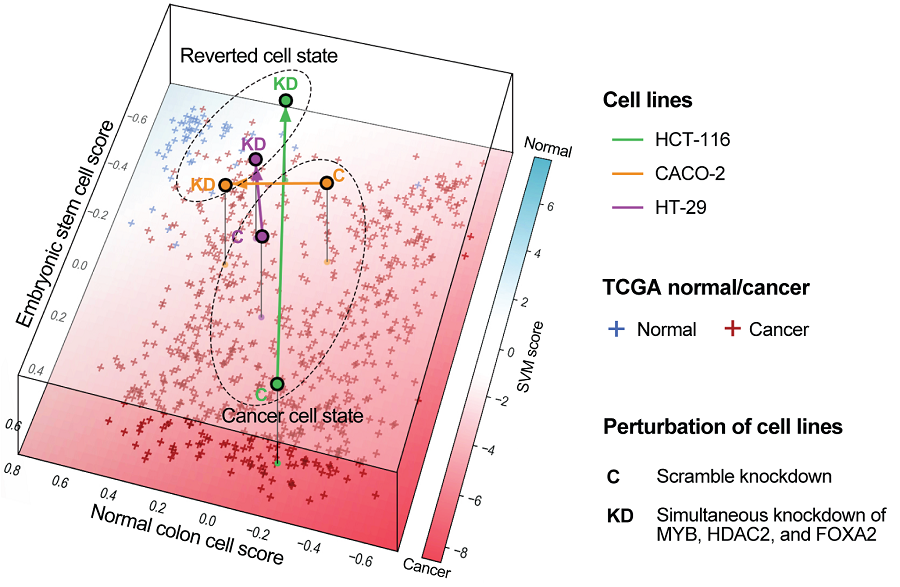
Of course, this discovery is still in early research stages—primarily tested in vitro and in digital models. It needs to pass human clinical trials to prove safety and efficacy. But the potential is extraordinary: it could apply not just to colorectal cancer (the third most common worldwide) but also to other types where gene networks play a key role.
This study opens the door to a new paradigm in oncology: shifting from “fighting” the tumor to “rewriting” it. Science is showing us that some diseases don’t need to be destroyed—they can be corrected at the molecular level.
Huge hope for millions of patients around the world! 🧬🔬🚀