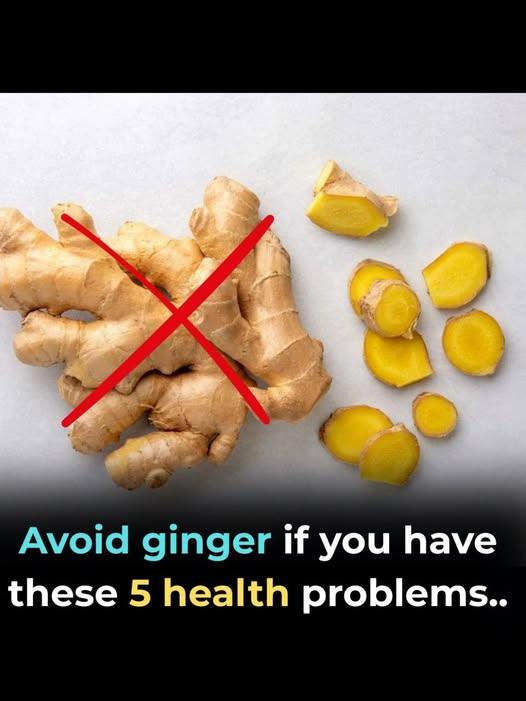
Ginger has long been celebrated as a powerful natural remedy. It is commonly used to reduce nausea, ease inflammation, soothe digestive discomfort, and support the immune system during colds and flu. For many people, adding ginger to meals, teas, or supplements provides noticeable health benefits with few side effects. However, like many natural substances, ginger is not universally safe. In certain medical situations, it can interact with medications or worsen existing conditions, sometimes creating serious health risks.
One group that should approach ginger with particular caution includes individuals with bleeding disorders or those taking medications that affect blood clotting. Ginger contains natural compounds, including salicylates and gingerols, that can inhibit platelet aggregation and slow the clotting process. While this effect may be beneficial for general circulation in healthy individuals, it can become dangerous for people whose blood already does not clot normally.
Conditions such as hemophilia and Von Willebrand disease impair the body’s ability to stop bleeding efficiently. For those living with these disorders, even minor changes in clotting function can increase the risk of excessive bleeding. Similarly, individuals taking blood thinning medications face elevated risks. These medications include warfarin, aspirin, clopidogrel, heparin, and certain newer anticoagulants prescribed for heart conditions, stroke prevention, or clotting disorders.
When ginger is consumed alongside these medications, the combined effect can amplify the blood thinning process beyond safe levels. This may result in symptoms such as frequent bruising, nosebleeds, bleeding gums, blood in urine or stool, or prolonged bleeding from cuts and injuries. In more severe cases, internal bleeding or complications during surgery may occur.
What makes this risk especially concerning is that even relatively small amounts of ginger can cause problems for sensitive individuals. A cup of ginger tea, a concentrated supplement, or generous use of fresh ginger in meals may be enough to trigger unwanted effects, depending on a person’s medical history, dosage of medication, and individual response.
For these reasons, people with bleeding disorders or those taking anticoagulant medications should consult a healthcare professional before regularly consuming ginger in any form. A doctor or pharmacist can help determine whether ginger is safe in small culinary amounts or whether it should be avoided entirely. Medical guidance is essential, as the potential consequences of excessive bleeding can be severe.
For individuals seeking natural ways to support circulation or general wellness without increasing bleeding risk, safer alternatives may be more appropriate. Foods rich in omega three fatty acids, such as salmon, walnuts, and flaxseeds, provide heart and vascular benefits without significantly affecting clotting in most people. Gentle herbal teas like chamomile, peppermint, or rooibos can offer calming and digestive support. Lifestyle measures such as light exercise, adequate hydration, stress reduction, and balanced nutrition can also promote overall health safely.
Being informed about these interactions allows people to make thoughtful choices about their health. Ginger remains a valuable and effective remedy for many, but understanding when it may pose risks ensures it is used responsibly. Anyone with underlying medical conditions or taking medications that influence blood clotting should always seek professional advice before incorporating ginger into their routine. This simple precaution can prevent serious complications while allowing individuals to pursue wellness with confidence.