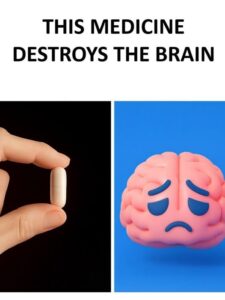
🧠 Why This Matters: Your Brain Deserves Protection
Dementia affects millions—and while genetics and lifestyle play roles, medication-induced cognitive decline is one of the few preventable causes.
According to a landmark study in JAMA Internal Medicine:
Adults taking strong anticholinergic drugs for 3+ years had a 54% higher risk of dementia—even after adjusting for other factors.
The scary part?
These drugs are everywhere—from allergy relief to acid reflux remedies.
🔴 The 8 Drugs Linked to Dementia Risk
1. Proton Pump Inhibitors (PPIs) – e.g., Omeprazole, Lansoprazole
Used for: Heartburn, GERD, ulcers
Brand names: Prilosec, Prevacid, Nexium
Risk: Long-term use linked to vitamin B12 deficiency, altered gut-brain axis, and increased dementia risk
Study Findings:
33% higher dementia risk with regular PPI use (Neurology, 2016)
Impaired memory in 10–33% of long-term users
✅ Safer Options: Short-term use only; try dietary changes, H2 blockers (like famotidine), or healing foods like ginger tea.
2. Anticholinergics – Allergy & Sleep Meds
Used for: Allergies, insomnia, motion sickness
Common Examples:
Diphenhydramine (Benadryl, Tylenol PM)
Doxylamine (Unisom, NyQuil)
Hydroxyzine (Vistaril, Atarax)
Risk: Block acetylcholine—a key brain chemical for memory and learning
Study Findings:
54% increased dementia risk with long-term use (JAMA Intern Med, 2019)
✅ Safer Options: Non-drowsy antihistamines (loratadine, cetirizine), melatonin for sleep, nasal sprays instead of systemic meds.
3. Benzodiazepines – Anxiety & Sleep Pills
Used for: Anxiety, panic attacks, insomnia
Common Examples: Diazepam (Valium), Alprazolam (Xanax), Lorazepam (Ativan)
Risk: Sedatives that impair cognition; linked to accelerated brain aging
Study Findings:
50% higher dementia risk with long-term use (BMJ, 2012)
✅ Safer Options: CBT for anxiety, magnesium, ashwagandha, or short-term non-benzodiazepine sleep aids (under doctor supervision).
4. Statins – Cholesterol-Lowering Drugs
Used for: High cholesterol
Examples: Atorvastatin (Lipitor), Simvastatin (Zocor)
Controversy: While heart-protective, some studies report memory fog, confusion, and cognitive decline
Possible Mechanism: Reduced cholesterol in the brain (needed for neuron repair)
✅ Safer Approach: Use only when truly needed; pair with heart-healthy diet (Mediterranean style), exercise, and monitor liver/brain function.
5. Antidepressants (Certain Types)
Used for: Depression, nerve pain
Higher-Risk Classes: Tricyclic antidepressants (Amitriptyline, Nortriptyline)
Risk: Strong anticholinergic effects = memory disruption
Note: SSRIs like sertraline have lower risk
✅ Safer Options: Talk therapy, omega-3s, vitamin D, mindfulness—or switch to low-anticholinergic antidepressants.
6. Antipsychotics (Even Low-Dose)
Used for: Schizophrenia, bipolar disorder, sometimes off-label for dementia-related agitation
Examples: Quetiapine (Seroquel), Risperidone
Risk: Especially dangerous in older adults—can worsen cognitive decline
FDA Warning: Increased mortality in elderly patients with dementia-related psychosis
✅ Use Only When Absolutely Necessary —with close monitoring.
7. Anti-Seizure Medications (Some)
Used for: Epilepsy, nerve pain, migraines
High-Risk Examples: Phenobarbital, Phenytoin, Topiramate
Risk: Cognitive slowing, memory issues, brain fog
Topiramate Note: Known to cause word-finding difficulties
✅ Safer Alternatives: Gabapentin (lower risk), CBD oil (in some cases), dietary approaches like ketogenic diet (for seizures).
8. Overactive Bladder Medications
Used for: Frequent urination, incontinence
Examples: Oxybutynin (Ditropan), Tolterodine (Detrol), Solifenacin (Vesicare)
Risk: Strong anticholinergic activity → impaired memory and attention
Study Findings: Long-term use tied to higher dementia rates
✅ Safer Options: Pelvic floor therapy, timed voiding, reducing caffeine/alcohol, or switching to mirabegron (non-anticholinergic).
🛡️ How to Protect Yourself: 5 Action Steps
Step
Why It Works
✅ Audit Your Meds
List every prescription, OTC, and supplement
✅ Ask: Is This Essential?
Can it be reduced, paused, or replaced?
✅ Talk to Your Doctor
Say: “I’m concerned about brain health—can we review my meds?”
✅ Avoid Long-Term Anticholinergics
Especially if over 50
✅ Boost Brain Resilience
Sleep, exercise, Mediterranean diet, social connection
❤️ Final Thought: Great Health Starts With One Question
You don’t need to fear every pill.
Sometimes, all it takes is:
A quick look at your bottle labels
A conversation with your doctor
And the courage to say: “I want to feel better—without risking my mind.”
Because real healing isn’t about avoiding medicine.
It’s about using it wisely—with eyes wide open.
And when you walk into that room tomorrow… and remember why you’re there?
You’ll know:
You didn’t just take a pill.
You protected your future.