The article starts with a personal anecdote about a 25-year-old Chinese programmer named Xiao Liang who frequently drooled during sleep due to stress, overtime work, irregular sleep, and late-night gaming. He sought medical help, and a CT scan revealed blocked cerebral blood vessels, caught early to prevent stroke risks.
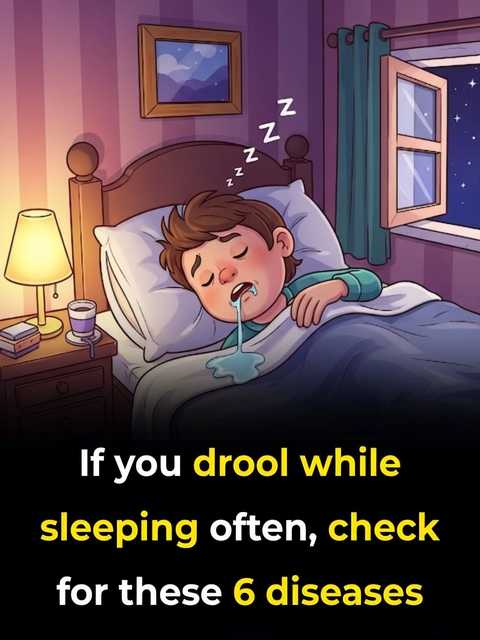
It explains saliva production: Controlled by the autonomic nervous system, saliva comes from major salivary glands (sublingual, parotid, submandibular) and minor ones. Normal adults produce 1–1.5 liters daily. Drooling can stem from mouth breathing, stress, fatigue, or poor sleeping posture. It’s common in children but in adults, sudden frequent drooling may signal health issues.
The 6 Diseases Mentioned:
- Oral diseases (e.g., pharyngitis, maxillofacial inflammation, gingivitis): These irritate salivary glands, increasing production and drooling. Dental issues like crooked or loose teeth can contribute; orthodontic treatment may help.
- Facial paralysis: One-sided muscle weakness causes mouth asymmetry, making it hard to contain saliva (drooling even when awake). Often with crooked mouth—seek immediate care.
- Gastroesophageal reflux disease (GERD): Excess stomach acid triggers more saliva; symptoms include heartburn, acid reflux, chest pain.
- Parkinson’s disease: Impaired swallowing and increased saliva secretion due to nerve damage lead to drooling.
- Cerebral thrombosis (blood clot in brain vessels): Impairs throat muscle control, causing drooling during sleep (especially one-sided). Watch for signs like uneven eye closure or mouth droop—high alert needed.
- Arteriosclerosis: Reduces brain blood flow, relaxing facial muscles and swallowing ability, resulting in drooling. Risk higher in middle-aged/elderly with hypertension, high cholesterol, or diabetes.
Tips to Improve Drooling:
- Sleep on your back (reduces drooling, better for breathing and organ balance; avoid stomach sleeping; use a U-shaped pillow if needed).
- Maintain oral hygiene (rinse after meals, brush twice daily with fluoride toothpaste, floss).
- Consult a doctor before changing medications if drooling is side-effect related.
The article has no cited medical sources or disclaimers.
Note on Reliability: This appears to be from a content aggregation or viral health tips site (similar articles appear across related domains). While some points align with medical knowledge—like links to Parkinson’s, GERD, neurological issues (e.g., stroke-related muscle weakness), and oral problems—others (e.g., directly tying frequent drooling to cerebral thrombosis or arteriosclerosis as primary signs) are overstated or not strongly supported by major sources like Mayo Clinic, WebMD, Healthline, or Cleveland Clinic.
From reputable sources:
- Common causes of adult sleep drooling: Sleeping position (side/stomach), nasal congestion/allergies/sinus issues (forcing mouth breathing), GERD/acid reflux, sleep apnea, certain medications, or infections.
- Serious causes: Neurological conditions (Parkinson’s, stroke, cerebral palsy) impairing swallow control; facial weakness (e.g., Bell’s palsy).
- Occasional drooling is normal; persistent/excessive warrants a doctor visit, but it’s rarely an isolated early sign of severe vascular issues.
If you’re experiencing this, consult a healthcare professional rather than relying on online articles.
Source: beauty.thebustednews.com (a health and beauty subsection of thebustednews.com, a site featuring various health tips, remedies, and news stories)