Cold sores, also known as fever blisters, are a common viral infection primarily caused by the herpes simplex virus type 1 (HSV-1). In some cases, herpes simplex virus type 2 (HSV-2)—usually associated with genital herpes—can also lead to cold sores, especially through oral-genital contact.
What Causes Cold Sores?
Cold sores are highly contagious and spread easily from person to person, most often through contact with infected saliva or skin. Common ways the virus is transmitted include:
Direct contact: Kissing or sharing drinks, food, or utensils with an infected person.
Indirect contact: Using items contaminated with the virus, like towels, lip balm, or cutlery.
Self-infection (Autoinoculation): Touching a cold sore and then touching other parts of the body, such as the eyes or genitals, can spread the virus.
Recognizing the Symptoms
Cold sores tend to follow a series of stages:
Tingling or itching: A burning or itching sensation is often the first sign, occurring 1–2 days before the sore appears.
Formation of blisters: Small, fluid-filled blisters develop, usually near the lips but sometimes on the nose or gums.
Blister rupture: The blisters break open, forming painful, red sores. This is the most contagious stage.
Scabbing: The sores dry out and develop a crust, which eventually falls off during healing.

A typical outbreak lasts about 7 to 10 days. While the sores heal, the virus stays dormant in the body and can become active again during certain triggers.
What Triggers an Outbreak?
Several factors can reactivate the virus and cause new sores:
- Emotional or physical stress
- Exposure to sunlight or UV rays
- Hormonal shifts, such as those during menstruation or pregnancy
- Other illnesses, including colds and fevers
- Weakened immune system, due to medical treatments or health conditions
How Are Cold Sores Treated?
There’s no permanent cure for cold sores, but treatments can help manage symptoms and speed up healing:
1. Antiviral pills: Medications like acyclovir, valacyclovir, or famciclovir can reduce the length and severity of an outbreak, especially if taken early.
2. Topical antiviral creams: Help ease symptoms and may reduce viral spread.
3. Pain relievers: Over-the-counter medications like ibuprofen or acetaminophen, or numbing creams, can help relieve discomfort.
4. Moisturizing balms or creams: Soothing lip products can reduce dryness and ease pain around the sores.

Tips for Prevention
To avoid spreading cold sores or triggering outbreaks, try the following:
Avoid kissing or close contact during an active outbreak
Don’t share personal items like lip balms, cutlery, or towels
Use lip sunscreen if sun exposure is a known trigger
Support your immune system through a balanced diet, regular exercise, and stress management
When Should You See a Doctor?
It’s a good idea to consult a healthcare provider if:
Outbreaks happen frequently or are unusually painful
Over-the-counter remedies aren’t helping
The sores spread beyond the lips or grew significantly in size
Pain interferes with eating, drinking, or speaking
You have a weakened immune system, which can increase complications

The cause of Alzheimer’s may lie within your mouth
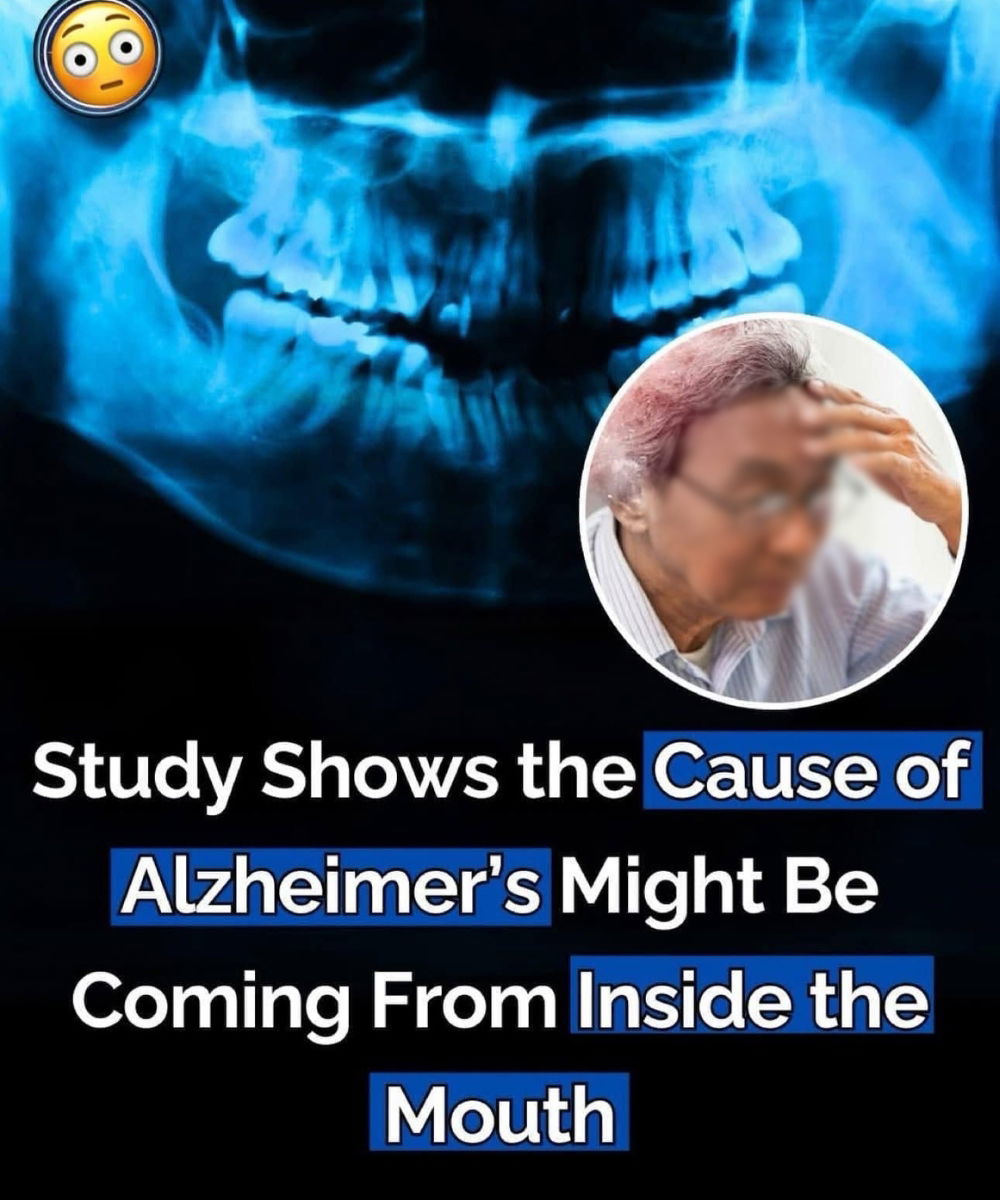
Alzheimer’s is the most popular reason of dementia in the UK, NHS notes. The exact cause of it is not fully understood such as increasing age, untreated depression, a family history of the condition, and lifestyle factors and conditions linked to cardiovascular diseases, among the rest.
However, in recent years, an increasing number of scientific studies have found that Alzheimer’s isn’t just a disease, but an infection.
A 2019 study finds that Alzheimer’s may be connected to gum disease.
“Infectious agents have been implied in the development and progression of Alzheimer’s disease before, but the evidence of causation hasn’t been convincing,” Dr. Stephen Dominy, Cortexyme co-founder, explained.

Looking at gingipains, the toxic enzymes of P. gingivalis, scientists explored that high gingipain levels were related to the presence of two other proteins already linked with the development of Alzheimer’s: tau and ubiquitin.
However, the team also found the presence of these toxic gingipains in the brains of deceased patients who were never diagnosed with Alzheimer’s.
The question is whether they would be diagnosed with the diseases had they been alive, or is it the Alzheimer’s that cause poor oral care.
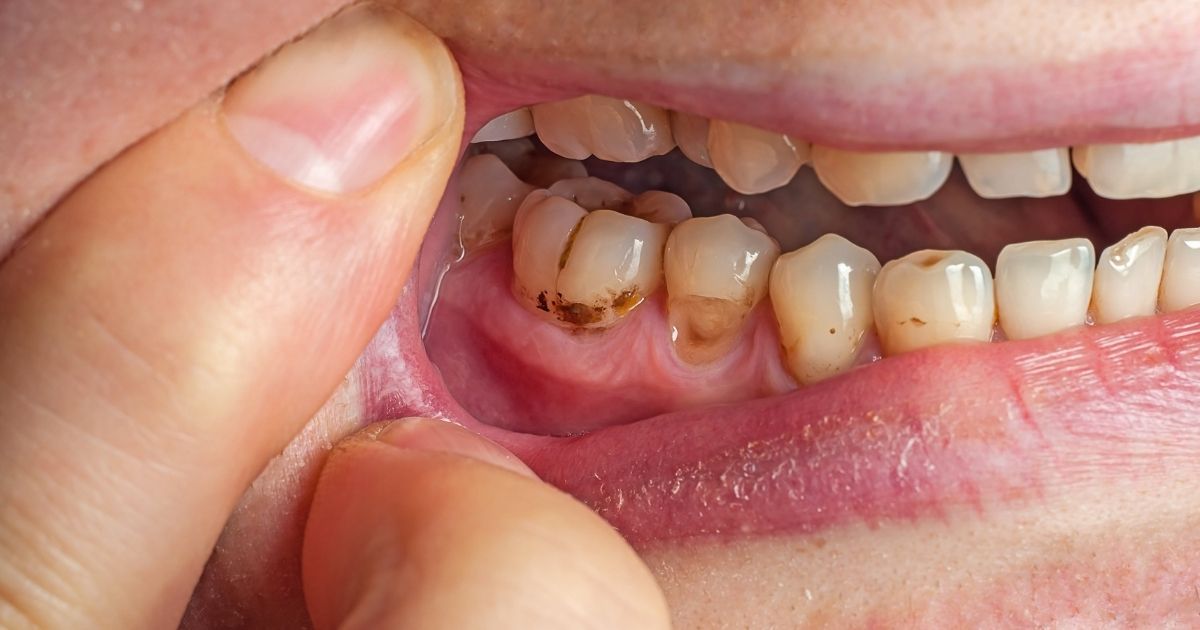
“Our identification of gingipain antigens in the brains of individuals with AD and also with AD pathology but no diagnosis of dementia argues that brain infection with P. gingivalis is not a result of poor dental care following the onset of dementia or a consequence of late-stage disease, but is an early event that can explain the pathology found in middle-aged individuals before cognitive decline,” the authors explained in their paper.
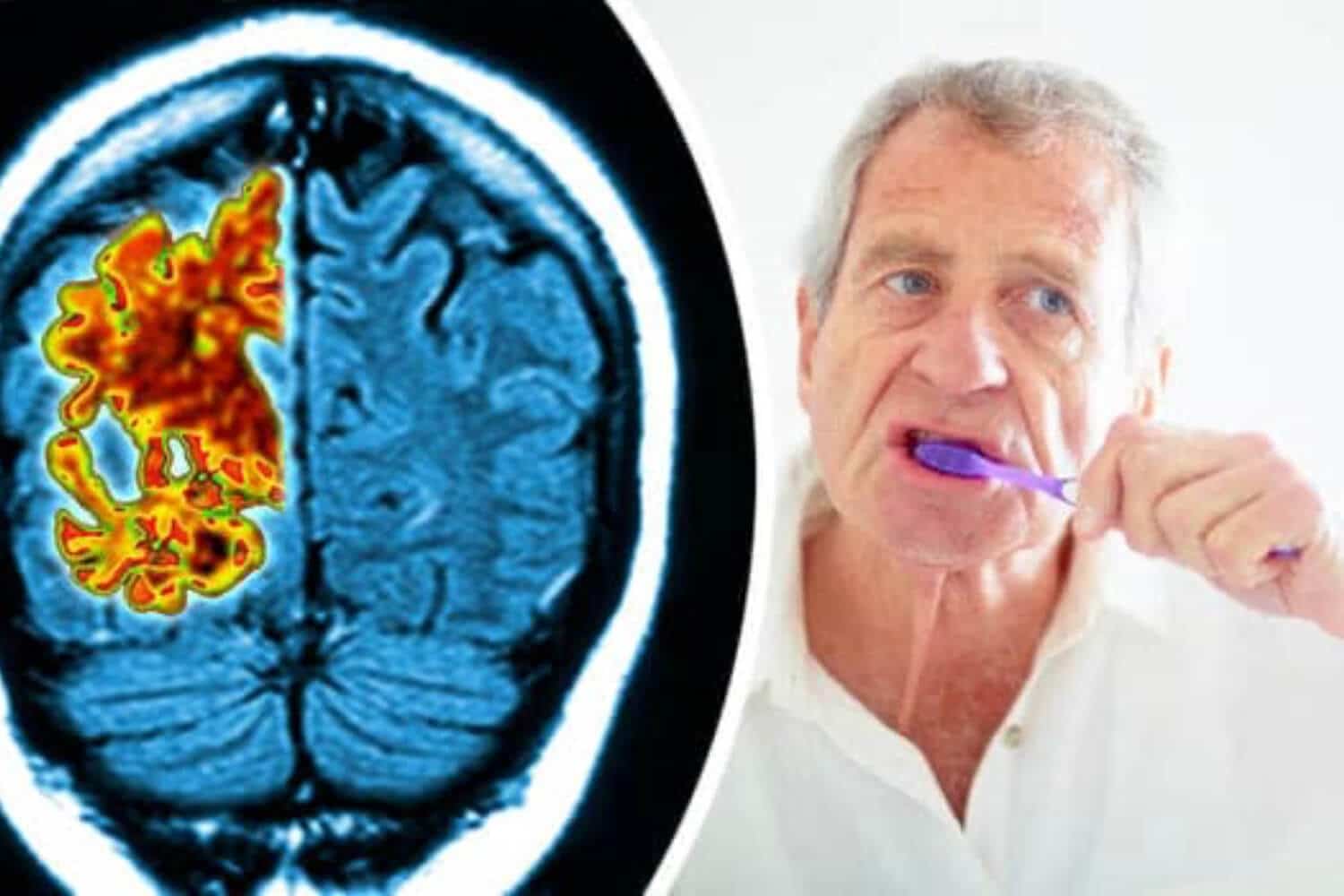
The mice experiment also revealed a decrease of amyloid-beta production and neuroinflammation because of a compound formulated by the company called COR388.
“Drugs targeting the bacteria’s toxic proteins have so far only shown benefit in mice, yet with no new dementia treatments in over 15 years it’s important that we test as many approaches as possible to tackle diseases like Alzheimer’s,” chief scientific officer David Reynolds from Alzheimer’s Research said.