Cancer remains one of the leading health challenges worldwide, but research shows that what we eat plays a crucial role in prevention. Everyday exposures to potential carcinogens—from polluted air to processed foods—can accumulate and raise risks. The good news? Incorporating nutrient-dense, anti-cancer foods into your diet can help detoxify the body, reduce inflammation, and support cellular repair. Studies, including those from The Lancet (2014), highlight that poor diets contribute to up to 30-50% of cancers, while a plant-based approach lowers risks for colon, breast, and other types.
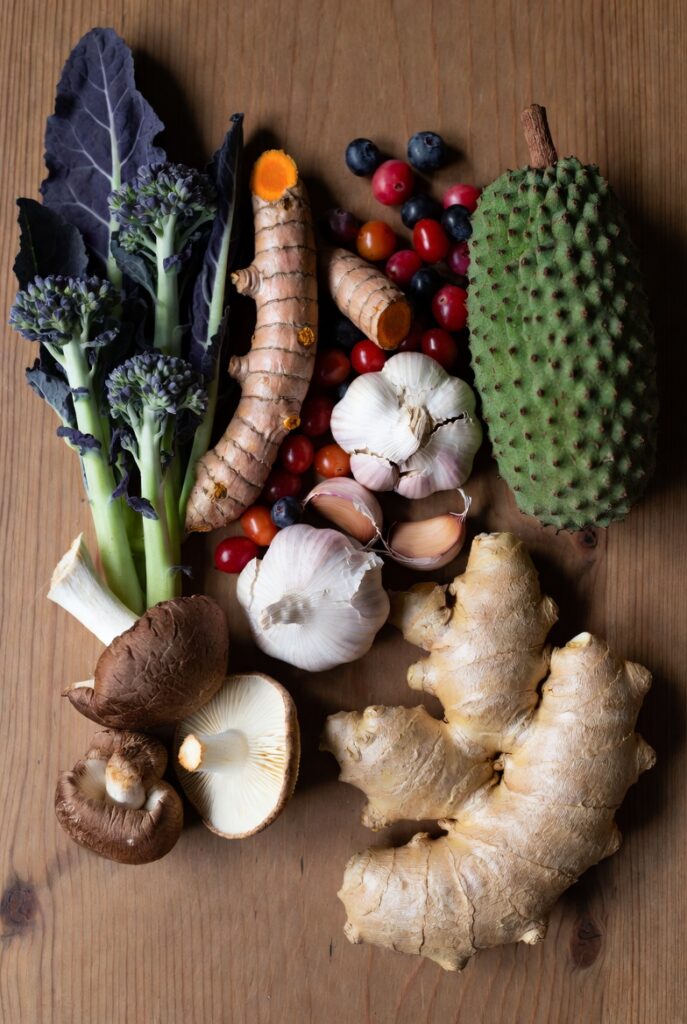
No single food is a magic bullet, but a varied diet rich in antioxidants, fiber, and phytonutrients can create an environment where cancer struggles to thrive. Focus on whole foods: swap processed meats (linked to a 20% higher colorectal cancer risk per 50g daily intake) for vibrant veggies and herbs. Below, we explore seven standout anti-cancer foods, backed by science, with tips on how to enjoy them daily. Start small—aim for one new addition per week—and consult your doctor before major changes, especially if you’re in treatment.
1. Cruciferous Vegetables: Your Detox Powerhouse
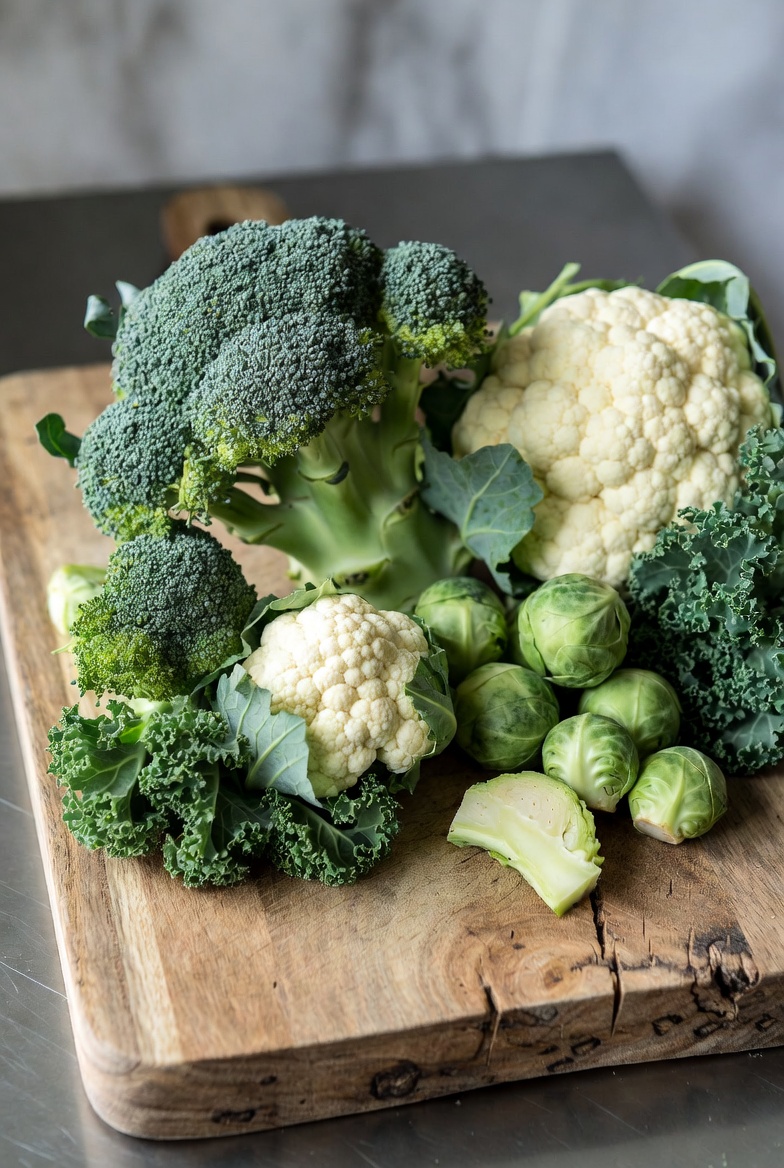
Think broccoli, cauliflower, kale, Brussels sprouts, and cabbage—these veggies are loaded with glucosinolates, compounds that break down into cancer-fighting agents during digestion. A review in Cancer Prevention Research notes they reduce risks for lung, colorectal, breast, and prostate cancers by up to 40%.
Why They Work:
- Sulforaphane: Found abundantly in broccoli sprouts, it activates detox enzymes, halts cancer cell growth, and promotes cell death (apoptosis). One study showed it blocks tumor formation in animal models.
- Indole-3-Carbinol (I3C): Helps balance hormones, curbing estrogen-related cancers like breast and ovarian.
Easy Ways to Eat Them:
- Steam lightly or eat raw in salads to preserve nutrients—overcooking can reduce benefits by 50%.
- Try broccoli sprout smoothies or add chopped kale to soups.
- Pro Tip: Pair with mustard seeds to boost activation of protective enzymes.
Incorporating just 1-2 cups daily could make a real difference in your body’s defense system.
2. Turmeric: The Golden Anti-Inflammatory Spice
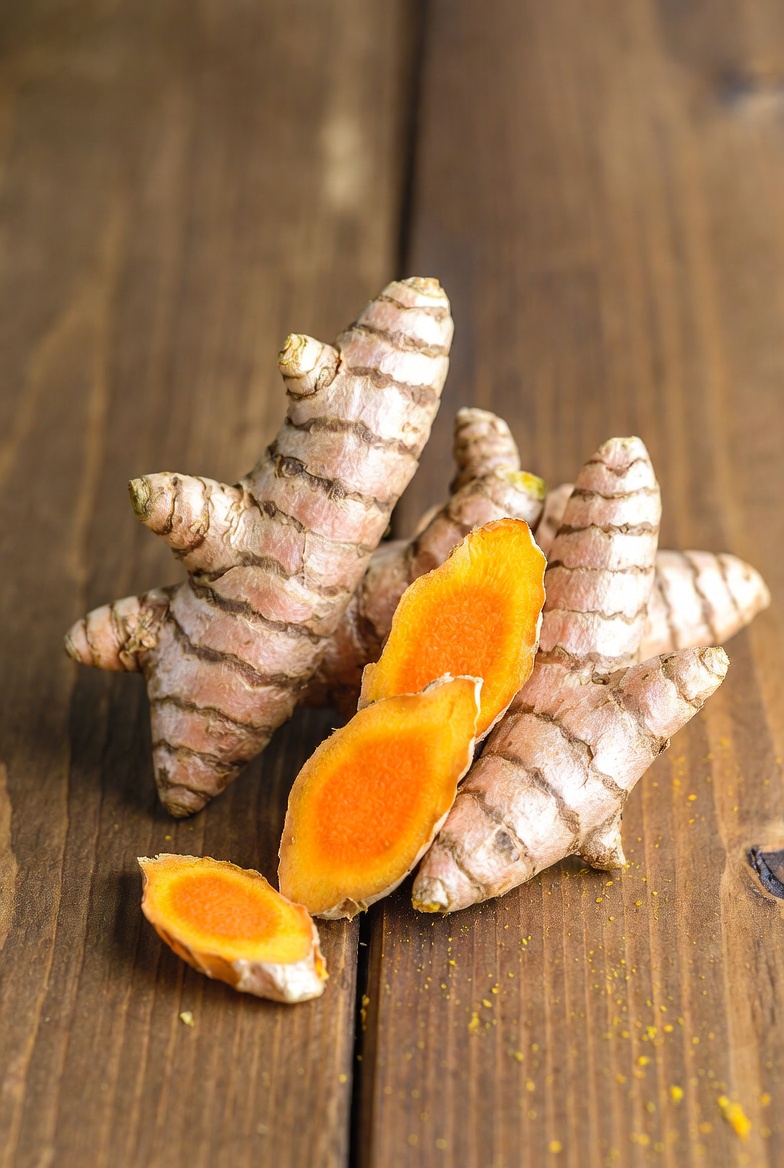
This vibrant root, native to India, owes its power to curcumin, a potent antioxidant studied in over 1,300 research papers for its anti-cancer effects. It targets multiple pathways, making it a staple in traditional medicine.
Why It Works:
- Inhibits inflammation via NF-κB suppression, a key driver in tumor growth (Cancer Letters, 2015).
- Triggers apoptosis by activating protective proteins like p53.
- Blocks new blood vessel formation (angiogenesis) that feeds tumors and enhances chemo effectiveness.
Easy Ways to Eat It:
- Brew “golden milk” with almond milk, a pinch of black pepper (for better absorption), and honey.
- Stir into curries, rice, or roasted veggies.
- Start with 1 tsp daily; supplements are an option, but whole root is best.
Fun fact: Ancient healers called it “poor man’s saffron” for its health glow-up potential.
3. Wild Berries: Antioxidant Explosion in a Bite
Blueberries, raspberries, blackberries, and strawberries aren’t just delicious they’re flavonoid powerhouses that neutralize free radicals and tame inflammation. Wild varieties pack nearly double the antioxidants of cultivated ones, per USDA data.
Why They Work:
- Pterostilbene in Blueberries: More bioavailable than resveratrol, it induces apoptosis in breast, lung, and pancreatic cancer cells.
- Ellagic Acid in Raspberries: Slows pre-cancerous cell changes and inhibits tumor spread, as shown in Nutrition and Cancer studies.
Easy Ways to Eat Them:
- Toss frozen wild berries into oatmeal or yogurt for breakfast.
- Blend into smoothies or snack on a handful fresh.
- Look for organic or wild-picked to minimize pesticides nature’s candy with benefits!
These tiny gems could help lower overall cancer risk by 10-20% with regular intake.
4. Garlic: The Sulfur-Packed Protector
A kitchen essential for centuries, garlic’s sulfur compounds like allicin act as natural detoxifiers, especially for gut health. The World Health Organization links it to reduced gastrointestinal cancer risks.
Why It Works:
- Neutralizes carcinogens from grilled meats or preservatives.
- Boosts immunity, fights H. pylori (a stomach cancer trigger), and reduces oxidative stress.
- Suppresses cell proliferation and inflammation in colorectal and esophageal cancers.
Easy Ways to Eat It:
- Crush cloves and let sit 10 minutes before adding to salads or dressings for max allicin.
- Roast whole bulbs for spreads or mince into stir-fries.
- Aim for 1-2 cloves daily breath mints optional!
Ever wondered why vampires fear it? Folklore meets science in garlic’s protective punch.
5. Soursop: Tropical Tumor Fighter
Also known as graviola or guanabana, this creamy fruit from the Amazon hides acetogenins compounds 10,000 times more potent than some chemo drugs in lab tests (Journal of Natural Products, 1996).
Why It Works:
- Disrupts cancer cell energy production, starving tumors without harming healthy cells.
- Suppresses breast cancer oncogenes and inhibits colon tumor growth in studies.
Easy Ways to Eat It:
- If fresh isn’t available, sip tea from dried leaves (steep 10 minutes).
- Blend pulp into smoothies or try reputable extracts.
- Caution: Moderation is key excess may affect nerves.
A hidden gem for exotic flavor and serious support.
6. Medicinal Mushrooms: Immune-Boosting Allies
Chaga, reishi, and shiitake aren’t your pizza toppings these fungi are adaptogens with polysaccharides that rev up immunity and shield DNA.
Why They Work:
- Chaga: Tops ORAC antioxidant charts; induces apoptosis in colon cancer.
- Reishi: Halts metastasis in breast and prostate models (International Journal of Oncology).
- Shiitake’s Lentinan: Enhances white blood cell activity against leukemia.
Easy Ways to Eat Them:
- Simmer reishi or chaga into teas for a earthy brew.
- Sauté shiitake in veggie stir-fries.
- Opt for whole mushroom supplements over extracts for full spectrum benefits.
These “fun guys” (pun intended) could fortify your defenses year-round.
7. Ginger: Zesty Inflammation Zapper
Fresh or powdered, ginger’s gingerols and shogaols deliver a spicy kick to cancer cells, backed by studies in British Journal of Pharmacology.
Why It Works:
- Blocks proliferation and metastasis in ovarian, colorectal, and pancreatic cancers.
- Reduces chemo nausea and inflammation markers by up to 30%.
Easy Ways to Eat It:
- Grate into lemon-ginger tea or morning shots.
- Add to soups, marinades, or baked goods.
- Fresh is fiercest 1-2 inches daily does the trick.
A warming root that’s as versatile as it is vital.
Final Thoughts: Build Your Anti-Cancer Plate
These seven foods form a synergistic team: mix cruciferous veggies with turmeric in a stir-fry, top berries with ginger, or brew a mushroom-garlic broth. Combine with exercise, stress management, and regular screenings for optimal results. Remember, while promising, this isn’t medical advice chat with a healthcare pro to personalize your plan.
Small, consistent changes yield big wins. What’s one food you’ll try this week? Share in the comments below we’d love to hear your tips!