Some bugs make surprisingly good roommates. For example, many species of spiders can work as pest control while keeping to themselves. However, other insects are venomous or enjoy invading food supplies, beds, and house foundations. Phereoeca uterella is a type of moth that lives in tropical climates and eats a wide diet, including household items like wool and silk. As the summer heat rises, keep an eye out for these creatures, known as kamitetep in Javanese, and learn how to defend your home from them.
Plaster bagworms and household casebearers
Phereoeca uterella, known by the Vernacular names plaster Bagworm and Household Casebearer, is a moth species in family Tineidae.
Kamitetep is at the forefront of etymological confusion. The moth species is in the family Tineidae, and is known officially as Phereoeca uterella. But they are commonly known as plaster bagworms and household casebearers. However, some experts claim that household casebearers are actually “ Phereoeca allutella,” a completely different moth family from plaster bagworms. No matter the opinion, no one wants to find these moths setting up shop in their living space.
Kamitetep and their cases
Wall moth larvae, or clothing moths, feed on fur, wool, dead skin fragments, hair and paper. Pierces stored and old clothes, need for detection
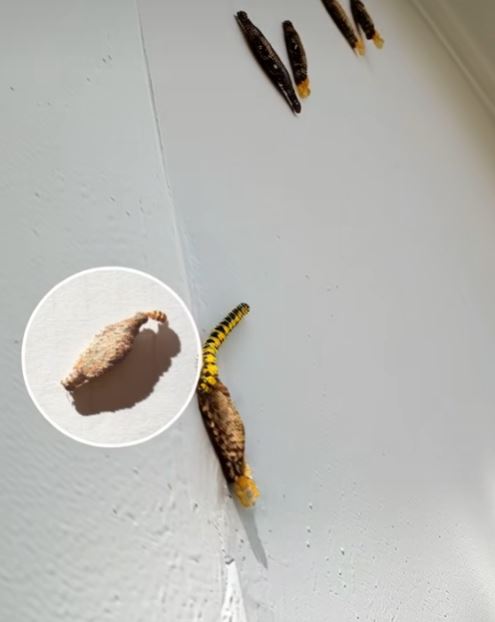
Ironically, kamitetep is more known for its larval stage than its adult moth stage. This is when they appear in gray, flat cocoon-like cases that the caterpillars carry around as a shield while they look for food. When it’s time, the caterpillar uses it as a pupal case while transforming into a fully-grown winged moth, explains EDIS. People may realize they have a bug problem after finding one of these cases with the developing moth inside. Or they may find it eerily empty. The cases camouflage well in gardens, making them harder to spot early.
Read More: 20+ Mosquito-Repelling Plants to Keep Your Yard Pest-Free
Life stages
phereoeca uterella perch on green leaf
There are four life stages of these moths: egg, larva, pupa, and adult, according to Native Pest Management. First females lay tiny eggs in clusters in hidden locations to ensure their survival. Once they hatch, the larvae begin to feed and gather materials for their own cocoon-like structures. They will grow and molt a few times before turning into pupae. Pupae are harder to spot since they remain in their cases until they emerge as adults. Adult kamitetep grows to about half an inch in length, with tiny grayish-brown scales all over the body.
Diet
moth larva in cocoon on old book, feeding on paper or cellulose, macro photo of urban pest, lack of hygiene, humid environment, insects indoors
Source: Shutterstock
Since this species gravitates to heat and humidity, they are typically found in closets, basements, gardens, garages, and attics. There, they have a large supply of organic materials to consume. Their diet includes dust, feathers, wool, spiderwebs, hair, dead insects, lint, silk, paper, and plant debris. For some reason, they don’t seem to like cotton, says Free Malaysia Today. Unfortunately, they can chew through personal items like clothes, rugs, linen, and important documents, which is why kamitetep don’t make good roommates.
Where they hide
Wall moth larvae, or clothing moths, feed on fur, wool, dead skin fragments, hair and paper. Pierces stored and old clothes, need for detection
Search for signs of kamitetep in your home with their diet in mind. Look around storage boxes, especially the ones made of cardboard. Check areas with fabric, such as linen closets and around carpets. Remember to look out for their small, tubular cases, which could be hanging on a wall or ceiling. You may also see little caterpillar-like larvae looking for food near their cases. Additionally, like with other moths, look around light fixtures because adults are attracted to them.
Read More: If You See These Insects in Your Yard, Get Rid of Them Immediately
How to get rid of kamitetep in your home
close shot of the bundle of plaster bagworm nestled.
Since these bugs are attracted to natural materials for food, the first step of extermination is spring cleaning. Focus on vacuuming rugs and furniture, and around spaces like closets, attics, and basements. Place extra attention on corners and potential hiding places. Next, seal any cracks that allow bugs to sneak through or hide eggs. Use caulk or weather stripping around windows and doors. Use a dehumidifier to deter these pests that thrive in moist environments. And if you see the tell-tale cases, get rid of them immediately.
How to prevent kamitetep infestation
Wall moth larvae, or clothing moths, feed on fur, wool, dead skin fragments, hair and paper. Pierces stored and old clothes, need for detection
Bugs are attracted to potential sources of food, and they won’t stick around if there’s nothing to eat. So routine cleanings can go a long way to keeping your home pest-free, explains Nature Pest, a pest control company in Florida. Minimize clutter that can gather dust and crumbs. (This will also make cleaning easier.) Use airtight containers to store food, and get rid of scraps promptly. Don’t panic if you notice signs of kamitetep, since they may be passing through during their hunt for nutrients. But keep your eye on the situation so they don’t multiply into an infestation.
In case of an infestation
Wall moth larvae, or clothing moths, feed on fur, wool, dead skin fragments, hair and paper. Pierces stored and old clothes, need for detection
If deep cleaning and dehumidifiers aren’t working, you may need to use an insecticidal spray or call professional exterminators to step in. Fortunately, these bugs don’t directly harm people or pets, but they are a nuisance, can damage property, and can spread somewhat quickly. Also, spiderwebs are one of their favorite foods, so if you have a spider problem as well, let the pest control staff know during their visit.
No, “brain borers” don’t exist as any real insect or creature that burrows into ears (or noses, or any other orifice) while you’re sleeping to munch on your gray matter. That’s a classic urban legend, straight out of folklore that’s been scaring people since at least the year 1000 AD. The idea likely stems from ancient superstitions and a few rare, real-life cases of bugs accidentally wandering into ears, which feel horrifying enough without the added drama of brain-eating.
The Myth in a Nutshell
- The Story: A creepy-crawly (often imagined as an earwig with its pincer-like tail) sneaks into your ear canal at night, lays eggs, and starts tunneling toward your brain. You wake up with headaches, itching, or buzzing sounds, and eventually… well, it’s curtains. Bonus horror: The eggs hatch, and baby bugs devour you from the inside.
- Why It Persists: It’s fueled by the very real discomfort of insects in ears (more on that below), plus pop culture nods in shows like Night Gallery or explorer tales from the 1800s (e.g., a beetle crawling into adventurer John Hanning Speke’s ear while camping). But no X-rays, autopsies, or medical records have ever shown bugs burrowing through eardrums or brains—because physics and biology say it’s impossible.
The Reality: Bugs in Ears Happen, But Not Like That
Small insects can end up in your ear canal by accident—usually if you’re sleeping outdoors, on the floor in bug-heavy areas, or just have terrible luck indoors. Common culprits include:
- Cockroaches
- Moths (yes, including small ones like household casebearers or bagworms’ relatives)
- Flies or beetles
- Ticks, ants, or even spiders
These get stuck because the ear canal’s S-shaped curve traps them. Symptoms? Buzzing, tickling, pain from them bumping your eardrum, or a feeling like something’s “burrowing” as they panic and flutter around. But:
- They can’t reach your brain. The eardrum (tympanic membrane) is a tough barrier—no insect has the tools to chew through it without causing obvious, immediate damage you’d notice way before they got far.
- No egg-laying inside humans. Bugs don’t see us as hosts; they’d die trying.
- Earwigs (the usual suspects in the legend) are harmless scavengers that prefer damp mulch over your skull. Their “pincers” are for defense and mating, not drilling.
From the article you shared earlier on kamitetep (aka plaster bagworms, Phereoeca uterella): These are tiny, cocoon-building moths that munch on wool, dust, and spiderwebs in humid spots like attics. Their larvae drag around protective cases made of debris, but neither stage has any interest in ears—they’re too busy being accidental roommates in closets. No burrowing behavior here, period.
What to Do If a Bug Does Get in Your Ear
It’s rare (maybe a few ER visits a year in the U.S.), but if you suspect it:
- Stay calm—panicking makes it worse.
- Tilt and shake: Lie on your side with the affected ear down; gravity might help it crawl out.
- Lure it: Shine a flashlight near the ear in a dark room—many bugs follow light.
- Oil flush: A few drops of vegetable, mineral, or olive oil can drown/suffocate it and make removal easier (don’t use water; it might make the bug swim deeper).
- Seek pro help: Head to a doctor or ER. They’ll use tools like forceps or suction to extract it safely—no DIY poking with Q-tips, which can push it further or scratch your canal.
Prevention? Sleep with earplugs outdoors, keep windows screened, and reduce home humidity to deter bugs like those kamitetep moths. Sweet dreams—your brain’s safe. If this was a joke about something else (like sci-fi parasites), hit me with details!