How Color Speaks Emotionally
Blue often reflects emotional depth, sadness, or the need for healing, while purple symbolizes transformation and inner struggle. These two examples reveal how colors are never just visual impressions—they are emotional signals that speak to our subconscious. The human experience of color is complex, blending psychology, biology, and cultural interpretation.
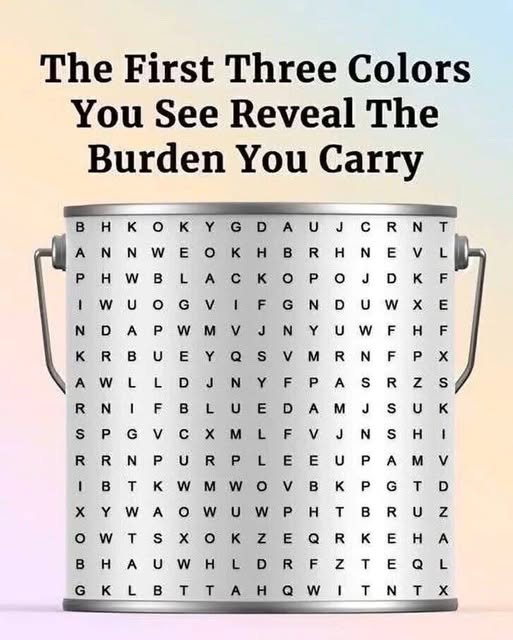
Colors evoke emotions in several ways. Through associative memory, they link back to personal experiences. A person who grew up near the ocean may feel calm when surrounded by shades of blue, while another who associates blue with a hospital ward may feel anxious. Subconscious processing also plays a role. Even when we do not think about colors deliberately, our minds are constantly reacting to them. Neurological responses add another layer. Certain brain regions light up when we see specific colors, showing that color perception and emotional states are deeply interconnected.
Cultural Nuances of Color
Culture shapes how people understand and respond to colors. White, for example, represents purity and weddings in much of the Western world, while in parts of Asia it is linked to mourning and death. Red, meanwhile, is seen as a symbol of luck and prosperity in China, but in Western contexts it often suggests danger, passion, or even anger. These cultural codes remind us that colors are not fixed in meaning—they are interpreted through the lenses of history, tradition, and environment.
Color as a Tool for Self-Discovery
Colors can also be used personally as a form of reflection and self-discovery. Paying attention to the shades that draw your attention in daily life can reveal hidden feelings or needs. Reflecting on how different hues make you feel allows you to connect more consciously with your emotions. Practices such as journaling about color experiences or creating art with chosen palettes can provide powerful insights. Many therapeutic approaches now incorporate color—whether in guided mindfulness sessions, art therapy, or even in clinical settings where mood is monitored through color preferences.
Science and Innovation
Modern research is uncovering fascinating links between color and emotional health. Studies show that mindfulness exercises can enhance awareness of the way color influences mood, opening up opportunities for more effective therapy. Exposure to certain colors has been shown to affect hormone levels, sleep patterns, and stress responses. Innovations in artificial intelligence and augmented reality are pushing this even further, with emerging tools capable of creating personalized color environments to support emotional healing and mental well-being.
Development, Genetics, and Trauma
The role of color begins early in life. Infants recognize and respond to colors long before they can speak, which influences their cognitive development and emotional associations. Genetics also plays a part, affecting how individuals perceive and respond to specific hues. In therapeutic contexts, color can serve as both a trigger and a soothing force in relation to trauma. A certain shade might surface a painful memory, while another could help create safety and calm during recovery. Therapists increasingly use color strategically to help individuals process and integrate emotional experiences.
Philosophical and Global Perspectives
Philosophical and spiritual traditions worldwide have long recognized the symbolic and energetic power of color. Aboriginal cultures, for instance, weave color into their spiritual storytelling, while Tibetan practices use visualizations of specific hues to aid meditation. Language itself also shapes color perception. Some cultures have more words for certain shades, leading to richer distinctions, while others group several hues under a single term, influencing how they are experienced.
Conclusion: A Colorful Inner Dialogue
Colors act as a bridge between our inner world and the external environment. They reflect emotions, invite introspection, and can even offer healing. Every shade we notice carries a subtle message, a whisper from the subconscious inviting us to pay attention. When we listen carefully to these messages, we gain not only self-awareness but also a deeper connection with the world around us. The language of color is silent, yet profoundly expressive—and by engaging with it, we discover more about who we are and how we heal.