That Noise Isn’t Just in Your Head: Understanding Tinnitus and What You Should Do About It
If you’ve ever noticed a persistent ringing, buzzing, humming, or whooshing sound in your ears—especially when the room is quiet—you’re not alone. Millions of people experience tinnitus at some point in their lives. For some, it’s a brief annoyance. For others, it becomes a constant companion that affects concentration, sleep, and overall quality of life.
While tinnitus isn’t a disease itself, it is a symptom, and understanding the possible causes can help you figure out what steps to take next.
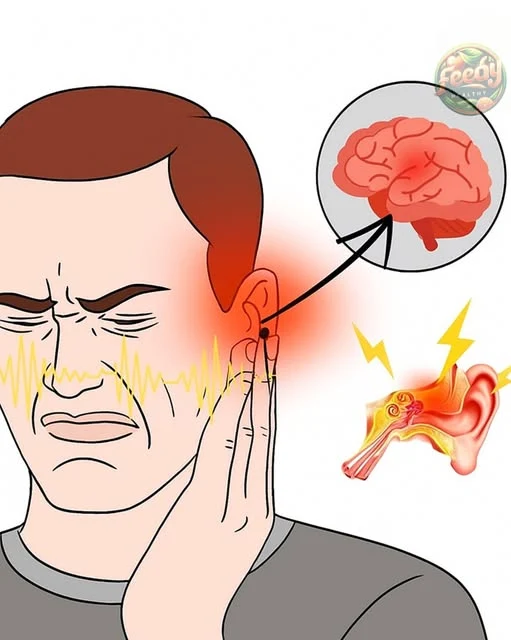
What Exactly Is Tinnitus?
Tinnitus is the perception of sound when no external sound source is present. People describe it in many ways:
-
Ringing
-
Buzzing
-
Hissing
-
Clicking
-
Roaring
-
Pulsing or “heartbeat in the ear”
It may occur in one ear, both ears, or somewhere “in your head.”
Common Causes of Tinnitus
Tinnitus has a wide range of triggers. Some are temporary and harmless; others may need medical attention.
1. Loud Noise Exposure
Concerts, headphones turned up too high, power tools, or explosions can damage the inner ear’s delicate hair cells.
2. Earwax Blockage
A simple wax buildup can create pressure or muffled hearing that leads to ringing.
3. Age-Related Hearing Changes
As hearing declines, the brain sometimes “fills in the gaps” with phantom sounds.
4. Stress and Anxiety
The nervous system and auditory system are closely linked, and high stress levels often worsen tinnitus.
5. Medications
Some drugs—including certain antibiotics, anti-inflammatory medicines, and high doses of aspirin—can cause or worsen tinnitus.
6. Underlying Health Conditions
Tinnitus can sometimes be connected to:
-
High blood pressure
-
Jaw issues like TMJ disorders
-
Circulatory problems
-
Inner ear conditions such as Ménière’s disease
When Is Tinnitus a Normal Experience?
Brief ringing after a loud event or when you’re extremely tired isn’t usually a concern. Many people notice mild tinnitus when lying in bed at night because the world is quieter and internal sounds feel more noticeable.
When You Should See a Doctor
You should seek medical attention if:
-
The tinnitus lasts more than a few weeks
-
It suddenly appears after head or neck injury
-
The sound beats in time with your pulse
-
It’s only in one ear
-
It’s accompanied by dizziness, hearing loss, or pressure in the ear
-
It interferes with your daily life or sleep
A clinician can check for treatable causes like wax buildup, infection, or medication side effects.
Managing and Reducing Tinnitus
While not all forms of tinnitus can be cured, many people find relief through:
Sound Therapy
Soft background noise—fans, white noise, nature sounds—can make tinnitus less noticeable.
Stress Reduction
Meditation, breathing exercises, and yoga can help calm the nervous system and reduce symptoms.
Protecting Your Hearing
Using earplugs in loud settings and lowering headphone volume can prevent further damage.
Addressing Underlying Conditions
Treating issues like high blood pressure, jaw tension, or allergies can sometimes reduce tinnitus.
Professional Treatments
Audiologists may recommend hearing aids, counseling-based therapies, or specialized tinnitus retraining approaches.