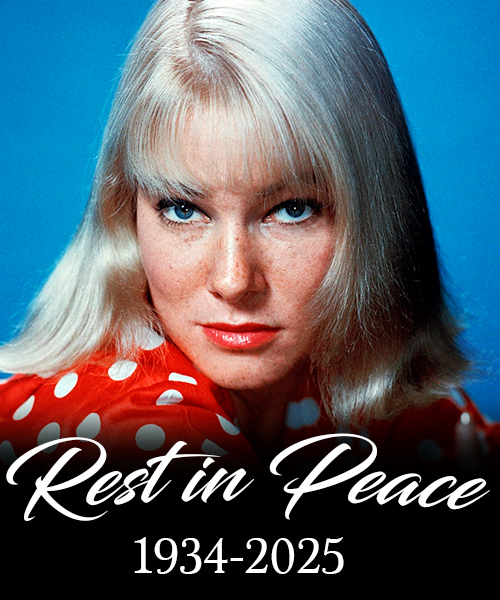
The passing of May Britt at the age of 91 closes the chapter on a life defined by conviction, grace, and an uncommon willingness to stand firm during a deeply divided era. Born in Sweden as Maybritt Wilkens, she rose from a quiet job as an assistant in a photography studio to international recognition in cinema. While her striking presence on screen earned her widespread admiration, her lasting significance extends far beyond film. Britt’s life became a powerful example of how personal choices can challenge social norms and reshape cultural conversations.
Her introduction to the entertainment world came unexpectedly, when she was noticed by European filmmakers and soon found herself working steadily in cinema. That momentum carried her across the Atlantic, where she captured the attention of major Hollywood studios. By the late 1950s, she was appearing alongside some of the most celebrated actors of the era, earning a reputation for versatility and composure. Her performances helped establish her as one of the most recognizable European actresses of her generation, with international audiences embracing her refined style and screen presence.
At the height of her success, Britt made a decision that would dramatically alter her career path. In 1960, she chose to follow her personal beliefs and entered a relationship with Sammy Davis Jr., a globally known entertainer. At the time, their marriage challenged widespread social attitudes and legal barriers that still existed in parts of the United States. What might have been treated as a private matter instead became a public flashpoint, reflecting the broader tensions of the era.
The response from the entertainment industry was swift and unforgiving. Studio opportunities diminished, contracts disappeared, and public criticism intensified. The couple endured hostility that would test even the strongest resolve. Britt, once viewed as a reliable leading actress, found herself sidelined not for her talent, but for her personal life. Despite the professional consequences and public scrutiny, she remained steadfast, choosing dignity and family over restoring her former status.
As the pressures mounted, Britt stepped away from Hollywood and focused on creating a stable, supportive home environment. She devoted herself to raising her children and protecting them from the harsh spotlight that followed their family. This period marked a quiet but meaningful shift in her life, as she moved from public acclaim to private purpose, valuing emotional well-being over external validation.
After her marriage ended in 1968, Britt did not pursue a return to celebrity culture. Instead, she embraced creative expression through painting and visual art, finding fulfillment away from cameras and headlines. This phase of her life reflected a deeper understanding of personal growth, showing that reinvention does not require an audience. She built a life centered on balance, creativity, and reflection.
In later years, Britt came to be recognized as a symbol of integrity and quiet courage. Her story has been revisited in discussions about social progress and the evolution of equality within American culture. By standing by her values during a difficult period, she helped open doors for others who would follow, proving that lasting influence often comes from resilience rather than visibility.
May Britt’s legacy reaches beyond her filmography. Her life illustrates that true impact is not measured solely by professional success, but by the willingness to act with honesty and compassion when it matters most. As people reflect on her journey, her story serves as a reminder that courage, expressed calmly and consistently, can leave a mark far greater than fame.