My sister always dreamed of a picture-perfect wedding — soft pastels, floating candles, a string quartet, everything arranged like a magazine spread. When she got engaged, she dove headfirst into planning, convinced that if every detail fell into place, the day would feel magical. I was genuinely happy for her. I wanted to support her, celebrate her, stand beside her the way siblings are supposed to.
But then came the conversation that changed everything.
We were sitting in her living room, color palettes scattered across the table, when her voice shifted — quieter, tense around the edges. “Can we talk about your wheelchair?” she asked.
I nodded, expecting maybe a logistical question. A ramp, aisle spacing, something practical.
Instead, she said, “Could you… not use it on the wedding day? It doesn’t fit the aesthetic.”
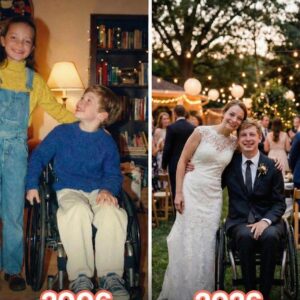
For a moment, I honestly thought I misheard her. My wheelchair isn’t an accessory. It’s not a fashion choice. It’s the reason I can move, navigate, exist independently. I’ve used it since I was seventeen — after a car accident that took away far more than just my ability to walk.
“I can’t,” I said calmly. “You know I can’t.”
Her expression tightened. “Well… then maybe it’s better if you don’t come at all.”
The words hit harder than any blow I’ve ever taken. Not because of the insult — I’ve dealt with ignorance and insensitivity before — but because they came from my sister, the person who held my hand in the hospital after my accident, the person who swore we’d always show up for each other.
I didn’t yell. I didn’t break down. I just nodded and decided to give her exactly what she asked for: my absence.
I skipped the rehearsal dinner. Ignored the dress-fitting invitations. Politely declined the group photo messages our relatives kept sending. Every step away hurt, but I wasn’t going to wedge myself into a space where I was treated like a flaw in someone’s photograph.
On the wedding day, while the venue glowed under soft lanterns and guests sipped champagne, I stayed home. Two friends came over with takeout and a portable speaker. We spread out on the living room floor, laughed, talked, and in that small bubble of peace, I felt something close to relief. Acceptance, even. I wasn’t missing out on anything I wanted — I was simply refusing to be someplace where I wasn’t wanted as I am.
Around mid-afternoon, my phone started buzzing nonstop. Cousins. Aunts. Family friends I hadn’t seen in years.
“Where are you?”
“Why aren’t you here?”
“Your sister looks worried.”
“Is everything okay?”
My quiet absence — the one she insisted on — was suddenly louder than any argument we could’ve had.
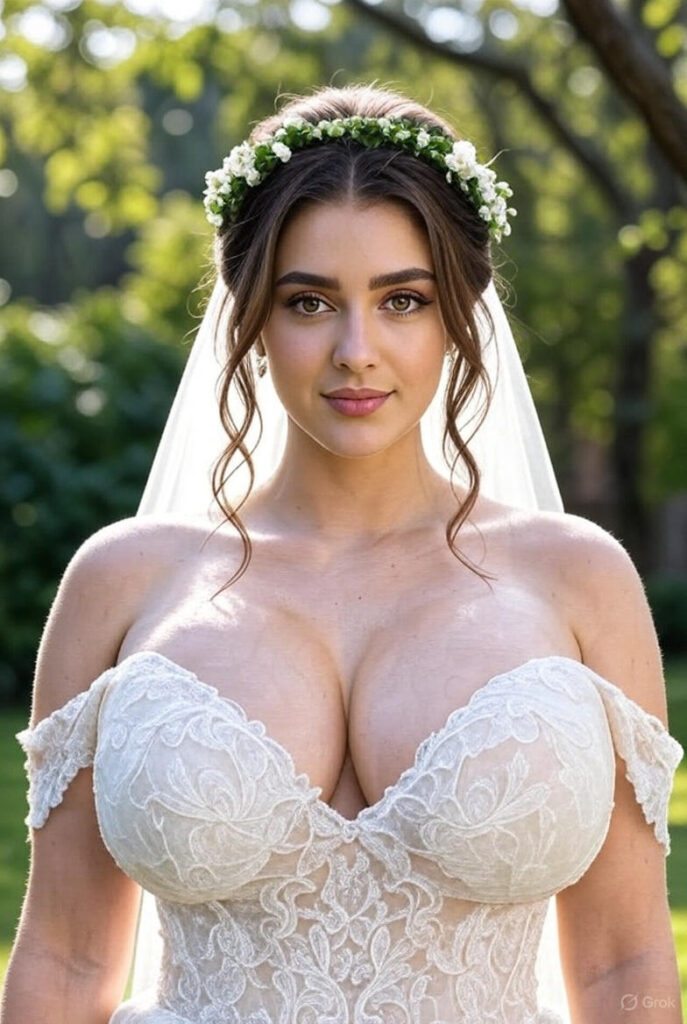
Late that night, long after the last guest left, I heard a knock on my door. When I opened it, my sister stood there in her wedding gown. Her mascara had smudged into faint gray trails, and she clutched her bouquet like she didn’t know what else to hold onto.
“Everyone kept asking where you were,” she whispered. “I thought people would focus on the flowers, or the decorations, or the photos… but all they talked about was you.”
Her voice cracked. “I realized I planned a perfect wedding — and ruined it myself.”
She stepped inside, slowly, like she wasn’t sure she’d be welcomed. “I was so caught up in wanting everything to look flawless,” she admitted, “I forgot the one thing that actually mattered — that I wanted the people I love beside me.”
I listened. I let her speak. I didn’t offer her an easy out or pretend her words hadn’t hurt. But when she finally looked up, eyes full of regret, I reached for her hand.
“All I ever wanted,” I said quietly, “was to show up without having to erase a part of myself.”
Tears rolled down her cheeks. “I know. I’m so sorry.”
We sat together like that — her gown pooled around my chair, both of us letting the truth settle. The kind of truth that’s uncomfortable, humbling, and necessary. She told me how empty the ceremony felt without me. How every time she looked at her bridesmaids, she pictured the space where I should’ve been. How guests kept asking about me, and each time it forced her to reckon with the reality she’d tried so hard to avoid: perfection means nothing if it comes at the cost of the people you love.
That night changed her. It changed us.
She stopped chasing curated moments and started paying attention to real ones — the messy, complicated, human ones. She began advocating for accessibility at work and in our community. She made sure I was included not because it was polite, but because she finally understood what inclusion actually means.
As for me, that night reminded me of something just as important: sometimes the most powerful statement you can make is stepping back and letting someone confront the consequences of their choices. Silence can be louder than anger. Absence can speak more honestly than confrontation.
Her wedding photos turned out beautiful. But the moment I remember most vividly, the one she later framed on her wall, wasn’t from the ceremony at all. It was a picture taken in my living room, late that same night — her in her wrinkled gown, me in my chair, both of us holding hands with tear-streaked faces and relieved smiles.
That was the real wedding moment. The moment she stopped seeing the wheelchair — and finally saw me.
And from then on, she never asked me to shrink myself to fit anyone’s version of “aesthetic” ever again.