When a loved one passes, the flurry of tasks around the funeral and estate can lead to important items being discarded or overlooked. The article highlights four types of things you should not throw away hastily, because they serve emotional, historical or legal purposes.
1) Personal Letters, Notes, and Cards
-
These include handwritten letters, greeting cards, sticky notes—any messages from the deceased.
-
Why keep them: They reflect the person’s voice, humour, thoughts, and reveal intimate expressions of love, regrets, dreams or memories. Reading them later can comfort those grieving and connect younger generations with the person’s humanity.
-
How to preserve: Store in acid-free envelopes or archival boxes to avoid yellowing; also scan or photograph them to create a digital archive.
2) Photographs and Video Recordings
-
This covers printed photos, photo albums, home videos, voice recordings.
-
Why keep them: Visual and audio memories capture nuances words may miss—the smile, gesture, voice. They help family members (especially younger ones) feel connection to someone they may remember only faintly.
-
How to preserve: Physical photos should be kept in cool, dry, dark places away from sunlight; digitize photos, slides, audio and video, backup to cloud or external drives, and consider shared online archives for family access.
3) Personal Keepsakes and Jewelry
-
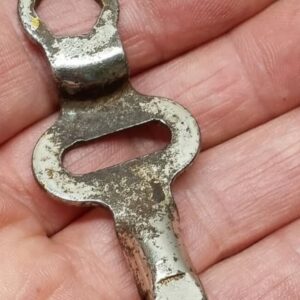
Examples: A watch, ring, necklace, favourite scarf, glasses, small memento.
-
Why keep them: These objects hold emotional energy—a physical anchor to someone’s life and presence. They often become heirlooms passed down, anchoring love and legacy. Even small, everyday items can evoke strong emotions.
-
How to preserve: Clean gently using proper materials (silver polish, soft cloth etc), store in lined or padded box to protect them. If intended to pass down, document the story and the intended recipient to preserve context.
4) Important Documents and Records
-
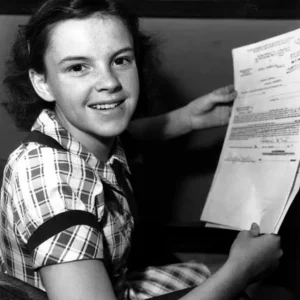
This means wills, insurance policies, bank details, property deeds, birth/marriage certificates, medical directives, other official paperwork.
-
Why keep them: These are essential for managing the estate, settling accounts, legal clarity and guardianship. Discarding even “small” papers may cause complications or delays. Sometimes such papers also contain historical information or clues to overlooked assets.
-
How to preserve: Gather into a secure, clearly-labelled folder or fire-proof box. Inform the executor or a trusted relative of the location. Make certified copies for legal use and consider scanning for digital safekeeping.