Hollywood relationships have long fascinated the public, often because they unfold under intense pressure and constant scrutiny. When two people fall in love in the spotlight, expectations can be overwhelming before the marriage has even begun. This was not a new phenomenon, even in the golden age of cinema. One well-known example is the marriage between Tony Curtis and Janet Leigh, a couple whose romance captured public imagination but struggled behind closed doors. Like many before and after them, they discovered that fame can complicate even the strongest emotional bonds.
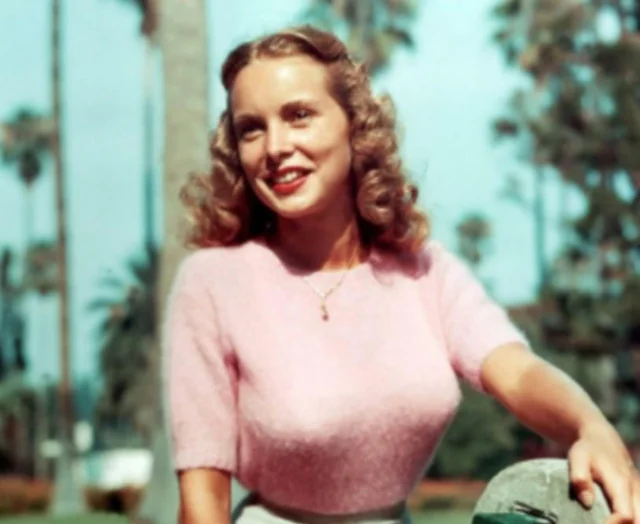
At the time they met in the early 1950s, Janet Leigh was already an established actress, admired for both her talent and elegance. Her film work, including appearances in The Romance of Rosy Ridge and Little Women, had earned her widespread recognition. Tony Curtis, while ambitious and charismatic, had not yet reached the same level of success. Their connection grew quickly, and when he proposed in 1951, the news surprised many. Their wedding was modest and heartfelt, reflecting genuine affection rather than Hollywood spectacle. Soon after, they became one of the industry’s most admired couples, even starring together in several films, which only strengthened their public image.
Despite appearances, their marriage faced increasing strain. As their careers advanced, professional demands and personal differences created distance between them. By the time their first child was born, the relationship was already fragile. They hoped that expanding their family would bring stability, but the pressures of fame continued to weigh heavily. In later years, their youngest daughter openly reflected on growing up amid repeated family separations, describing herself as shaped by a childhood marked by constant change. The couple eventually divorced in 1962, ending a relationship that had once symbolized Hollywood romance. Both went on to live separate lives, with Tony Curtis marrying several more times before his passing in 2010.
For their children, growing up with famous parents came with unique challenges. Life unfolded under public attention, with comparisons and expectations present at every stage. Yet those experiences also offered valuable lessons about resilience, self-awareness, and independence. One daughter later shared how observing her parents’ struggles shaped her understanding of love, identity, and personal strength. Rather than being defined by instability, she transformed those early difficulties into motivation and purpose. Her journey stands as a reminder that beginnings do not determine outcomes—and that even when life is complicated, it is possible to build something meaningful, authentic, and inspiring from the past.