Scientists have developed nanotechnology that could transform how heart disease is treated. Researchers engineered tiny nanoparticles capable of targeting arterial plaque directly, reducing buildup inside blood vessels without invasive surgery. This approach could dramatically lower the risks associated with traditional heart procedures.
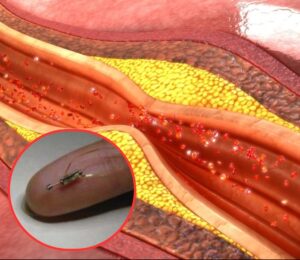
The breakthrough comes from work at the South Australian Health and Medical Research Institute (SAHMRI). In pre-clinical models, the nanoparticles were absorbed by immune cells embedded in artery walls, where plaque formation begins. Once inside, they actively reduced inflammation, a major driver of atherosclerosis.
These nanobots also help remove excess cholesterol from arteries by transporting it to the liver for safe processing. By interrupting the feedback loop between inflammation and plaque accumulation, the treatment addresses the root cause of artery blockage rather than just the symptoms. This represents a fundamental shift in cardiovascular therapy.
Beyond treatment, the nanoparticles function as advanced imaging agents. Doctors can track inflamed plaques in real time, allowing for earlier diagnosis and intervention before heart attacks or strokes occur. Early detection could significantly reduce long-term cardiovascular damage.
The research team is now preparing the technology for future clinical trials. If successful in humans, this dual diagnostic-and-treatment system could complement or even replace many surgical heart procedures. The future of heart care may soon rely on precision nanomedicine rather than scalpels.