Scientists Reveal the Impact of Consuming Too Much Sugar
| # | Sign | Description |
|---|---|---|
| 1 | Ongoing Fatigue and Low Energy Levels | Sugary foods cause quick energy spikes followed by crashes, leading to constant tiredness and lack of motivation. |
| 2 | Intense Cravings for Sugar and Carbs | Sugar triggers brain chemicals that create addiction-like cycles, making you want more sweets and carbs daily. |
| 3 | Getting Sick More Often | Excess sugar weakens the immune system, increasing susceptibility to infections and illnesses. |
| 4 | Mood Changes, Anxiety, or Low Spirits | Blood sugar fluctuations can cause irritability, anxiety, restlessness, or feelings of sadness. |
| 5 | Skin Issues and Under-Eye Circles | Inflammation from sugar can worsen acne, eczema, rosacea, dryness, or lead to dull skin and dark circles. |
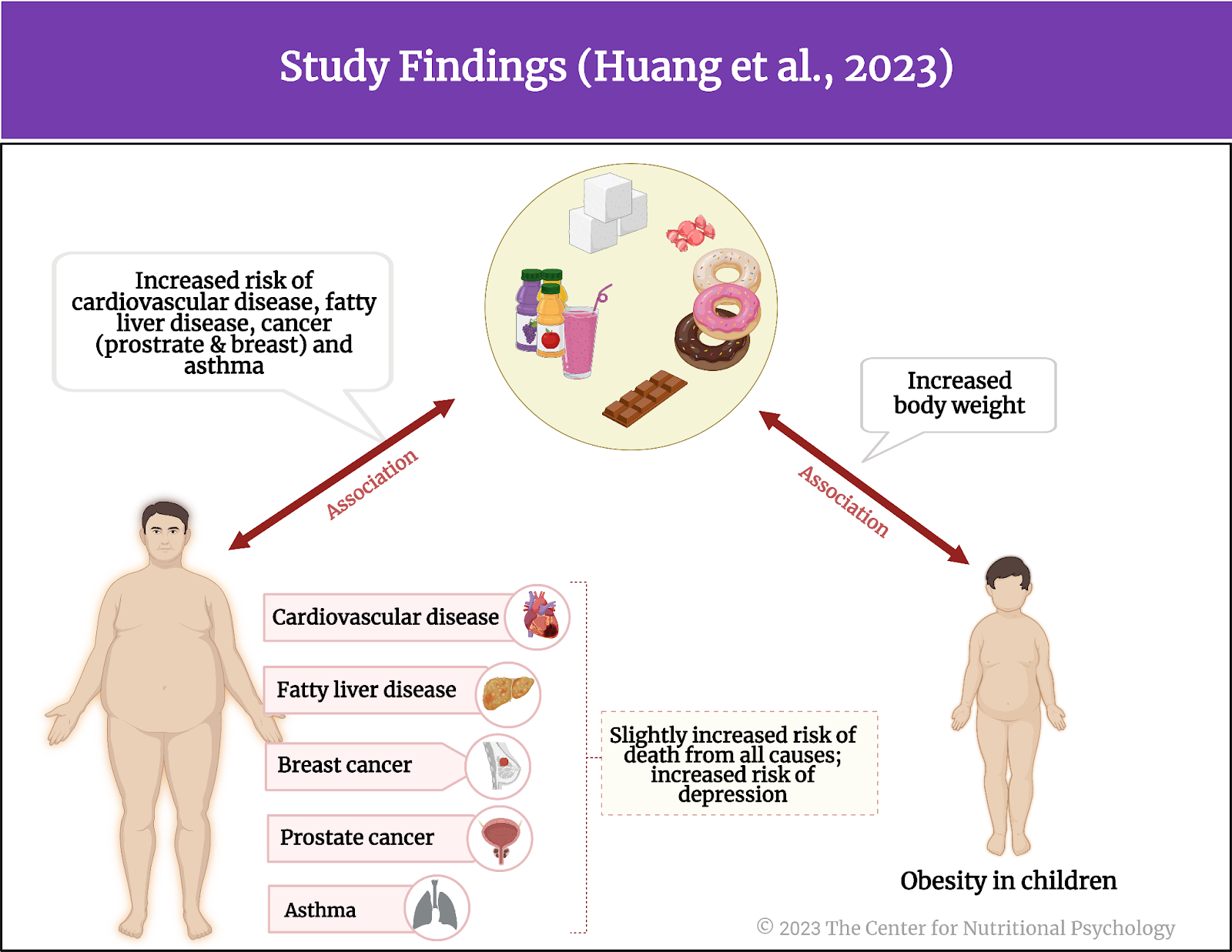
| 6 | Unwanted Weight Gain | Extra sugar is stored as fat, contributing to gradual weight increase and related health risks. |
| 7 | Elevated Blood Pressure | High sugar intake is linked to hypertension, sometimes more than excessive salt. |
| 8 | Oral Health Concerns | Sugar feeds bacteria that cause cavities, enamel damage, and gum problems. |
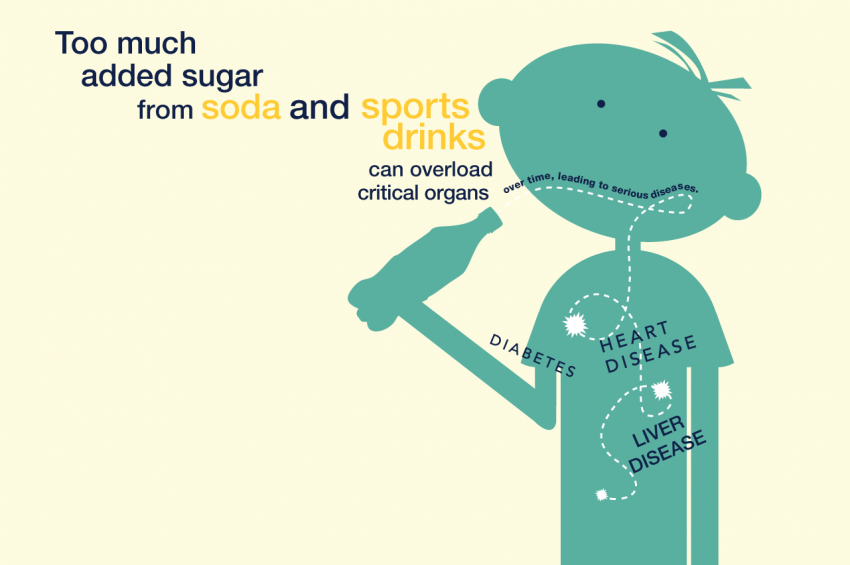
| 9 | Higher Chance of Developing Diabetes | Over time, it promotes insulin resistance and type 2 diabetes risk. |
| 10 | Risks to Heart Health | Contributes to inflammation, high cholesterol, and increased cardiovascular strain. |
Detailed Explanation of Each Sign
1. Ongoing Fatigue and Low Energy Levels
Feeling tired all the time is a frequent indicator of high sugar consumption. Sugary foods give a quick energy boost, but it’s often followed by a sudden drop in blood sugar. This “crash” can leave you drained, lacking motivation, and mentally unclear. If you’re turning to sweets or sugary beverages to power through your day, it might be worth evaluating your eating habits for more consistent energy options.
2. Intense Cravings for Sugar and Carbs
Daily urges for sweets are a big warning sign. Sugar can be addictive, as it activates feel-good chemicals in the brain, leading to more intake. The cycle continues: the more you consume, the more you want. If baked goods, candy, bread, or sweet snacks are always on your mind, you could be in a pattern of sugar reliance.
3. Getting Sick More Often
If you’re catching every bug going around, excess sugar might be affecting your immune system. Studies show that too much sugar can weaken immunity, making it harder to fend off infections. This vulnerability can extend to both everyday illnesses and longer-term health concerns.
4. Mood Changes, Anxiety, or Low Spirits
Sugar influences not only your physical health but also your mental well-being. After the short-lived uplift, many experience irritability or emotional dips. Fluctuations in blood sugar from high intake can worsen feelings of anxiety, restlessness, sadness, or lack of drive.
5. Skin Issues and Under-Eye Circles
Sugar can trigger inflammation, which frequently appears on the skin. Conditions like acne, eczema, rosacea, dryness, or oiliness may worsen with a sugary diet. Dull skin or dark circles under the eyes could also stem from inflammation and unstable blood sugar. Many report improved skin clarity after cutting back on sugar.
6. Unwanted Weight Gain
Your body handles only so much sugar at once. Excess amounts get converted to fat storage. This process can lead to gradual weight increase and higher risks for related issues, such as elevated cholesterol, sleep disturbances, joint discomfort, and cardiovascular problems. Sugary foods provide empty calories with minimal nutrition.
7. Elevated Blood Pressure
Though salt is commonly blamed, sugar might play a larger role in high blood pressure. Evidence links heavy sugar consumption to hypertension. If blood pressure is a concern for you, lowering sugar from processed items and drinks could be as crucial as watching salt.
8. Oral Health Concerns
Sugar is tough on teeth and gums. It fuels bacteria that cause decay, cavities, enamel damage, and gum issues. Regular dental treatments for cavities, sensitivity, or other problems might point to sugar’s effects. Sweetened beverages are especially notorious for long-term tooth harm.
9. Higher Chance of Developing Diabetes
Regular overconsumption of sugar can promote weight gain and insulin resistance, key factors in type 2 diabetes. Some individuals are pre-diabetic unknowingly. Signs include persistent thirst, ongoing hunger, weakness without food, or tiredness after sugary meals.
10. Risks to Heart Health
A sugar-rich diet can strain the heart. It contributes to inflammation, excess weight, high blood pressure, and unbalanced cholesterol—all stressing the cardiovascular system. Research, including human studies, indicates that diets loaded with sugar raise heart disease risks.
Tips for Reducing Sugar Intake



Cutting back on refined sugars and simple carbs is a great way to support overall wellness. Replacing sugary treats and drinks with healthier choices allows your body to restore balance.
Opt for naturally sweet options like fresh fruits, sweet potatoes, or whole grains—they curb cravings while delivering vitamins and fiber. As you reduce processed sugars, your palate adjusts, making natural flavors more enjoyable.
Breaking free from excess sugar can improve energy, mood, and long-term health. Consider starting small changes today for a healthier tomorrow.