Stomach cancer is often called a silent disease because its early warning signs can easily be mistaken for everyday digestive issues. Heartburn, bloating, or mild nausea might seem harmless — yet, for some people, these subtle symptoms are the first clues of something far more serious.
Knowing how to recognize the difference can make all the difference. Catching stomach cancer early dramatically increases the chances of successful treatment and recovery.

Early Detection of Stomach Cancer on the Rise
Recent research offers encouraging news: doctors are detecting stomach cancer earlier than ever before. That means more patients are being diagnosed at stages when treatment is most effective — a significant breakthrough in fighting this challenging disease.
Traditionally, stomach cancer has affected older adults. However, recent data shows a surprising rise among younger people. A major study analyzing data from the National Cancer Institute found that early-stage diagnoses increased by 53% between 2004 and 2021.
During the same period:
Cases spreading to nearby lymph nodes or organs dropped by 38%, and
Cases that reached distant organs decreased by nearly 8%.
Dr. Mohamed Tausif Siddiqui, lead author of the study and a gastroenterologist at the Cleveland Clinic, attributes this progress to advances in endoscopic imaging and the more widespread use of upper endoscopies, which allow doctors to detect cancer earlier.
In fact, 2021 marked the first year when early-stage stomach cancer was more common than advanced-stage cases at diagnosis — a milestone moment.
Dr. Siddiqui emphasized that early detection not only saves lives but also leads to less invasive treatments and better outcomes. These findings were presented at Digestive Disease Week, a leading international medical conference.
Why Stomach Cancer Is Hard to Detect Early
Despite these advances, diagnosing stomach cancer remains challenging. At present, testing usually occurs only when symptoms appear or when a person has known risk factors, such as a family history of the disease.
This creates a dangerous gap: stomach cancer tends to develop slowly and quietly, and its early signs often mimic common digestive troubles like indigestion or acid reflux.
Dr. Mojun Zhu, a medical oncologist specializing in gastrointestinal cancers, noted that younger patients often dismiss early symptoms, assuming it’s just simple indigestion or dietary discomfort. Unfortunately, that delay can make all the difference in treatment success.
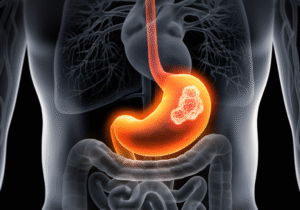
Early Signs of Stomach Cancer
Being aware of the subtle signs can lead to earlier detection and better outcomes. Watch for these warning symptoms:
Loss of appetite
Unexplained weight loss
Persistent heartburn or indigestion
Abdominal pain or discomfort
Nausea or vomiting
Difficulty swallowing
Sudden aversion to certain foods (e.g., meat)
New intolerance to foods or drinks (e.g., fruit, coffee, alcohol)
Symptoms That Might Seem “Normal” — But Aren’t
Some everyday digestive symptoms can mask more serious conditions. Pay attention if they don’t go away:
1. Frequent Belching That Doesn’t Stop
Everyone burps occasionally, but constant belching without an obvious cause may indicate irritation or blockage in the digestive tract.
2. Persistent Hiccups or Reflux
Occasional hiccups are harmless, but hiccups or reflux that occur frequently — regardless of what you eat — can signal upper digestive tract irritation or other underlying issues.
3. Swelling or Fullness in the Upper Abdomen
Many people blame post-meal bloating on gas or overeating. But ongoing tightness or swelling in the upper belly, especially without a clear trigger, might suggest fluid buildup or a tumor pressing on nearby organs.
When Stomach Cancer Progresses
As the disease advances, symptoms typically become more pronounced and severe. These may include:
Vomiting blood
Severe abdominal pain
Extreme fatigue
Blood in stool
Dr. Zhu added that patients often seek medical help only when symptoms worsen — such as difficulty eating, swallowing, or unexplained weight loss — but by then, treatment becomes more complex.
The Bottom Line: Listen to Your Body
Stomach cancer hides behind symptoms that feel ordinary. Persistent digestive problems, even mild ones, should never be ignored.
If heartburn, bloating, or nausea continue for more than a few weeks, or if you notice changes in appetite or digestion, see your doctor for evaluation.
Early detection can mean the difference between a simple treatment and a life-threatening disease. Your body speaks — make sure you’re listening.
Source: nowiveseeneverything.club
Disclaimer: This content is provided for informational purposes only and is not a substitute for professional medical advice. Always consult your doctor regarding your health and medical conditions.