A short cellphone video recorded on a snowy residential street in Minneapolis has become the center of national attention after capturing a brief but tragic encounter during a federal immigration operation. Filmed from the perspective of an officer, the 47-second clip shows a maroon SUV parked along a quiet neighborhood road as agents approach and speak with the driver. Bystanders stand nearby, some recording on their own phones, as tense words are exchanged. The footage, released by media outlets, does not show every moment clearly, but it documents a rapidly escalating situation that ended in a fatal outcome, leaving a community searching for answers and raising difficult questions about what happened in those final seconds.
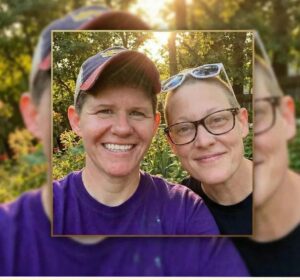
In the days following the incident, the family of the driver, identified as 37-year-old Renee Good, shared memories that painted a picture beyond the brief video. Her wife described Renee as a poet, a mother of three, and a person whose warmth filled every space she entered. Friends and neighbors echoed that sentiment, recalling her dedication to compassion and care for others. Vigils were held in her honor, with community members expressing grief, solidarity, and concern over federal operations in their neighborhood. For them, Renee was not a headline or a clip on a screen, but a familiar face whose absence now left a painful void.
Federal officials offered a different account, stating that officers were conducting a targeted operation when they encountered resistance from individuals in the area. Authorities reported that the driver refused commands to exit the vehicle and that an officer fired his weapon after believing his safety was at risk. Government representatives defended the officer’s actions as following protocol, while also acknowledging the loss of life. These statements sparked strong reactions from city leaders, including the Minneapolis mayor, who publicly criticized federal authorities and called for changes in how such operations are carried out within the city.
As investigations continue, the video remains a focal point for public debate, analyzed by legal experts, former law enforcement officials, and community advocates. Some argue it shows a situation that escalated too quickly; others emphasize the challenges officers face in high-pressure environments. Meanwhile, family members and neighbors seek accountability, transparency, and healing. What began as a routine morning on a quiet street has now grown into a broader conversation about authority, community safety, and the human cost of conflict. The outcome of ongoing inquiries may take time, but the impact of that brief recorded moment will resonate far beyond Minneapolis.