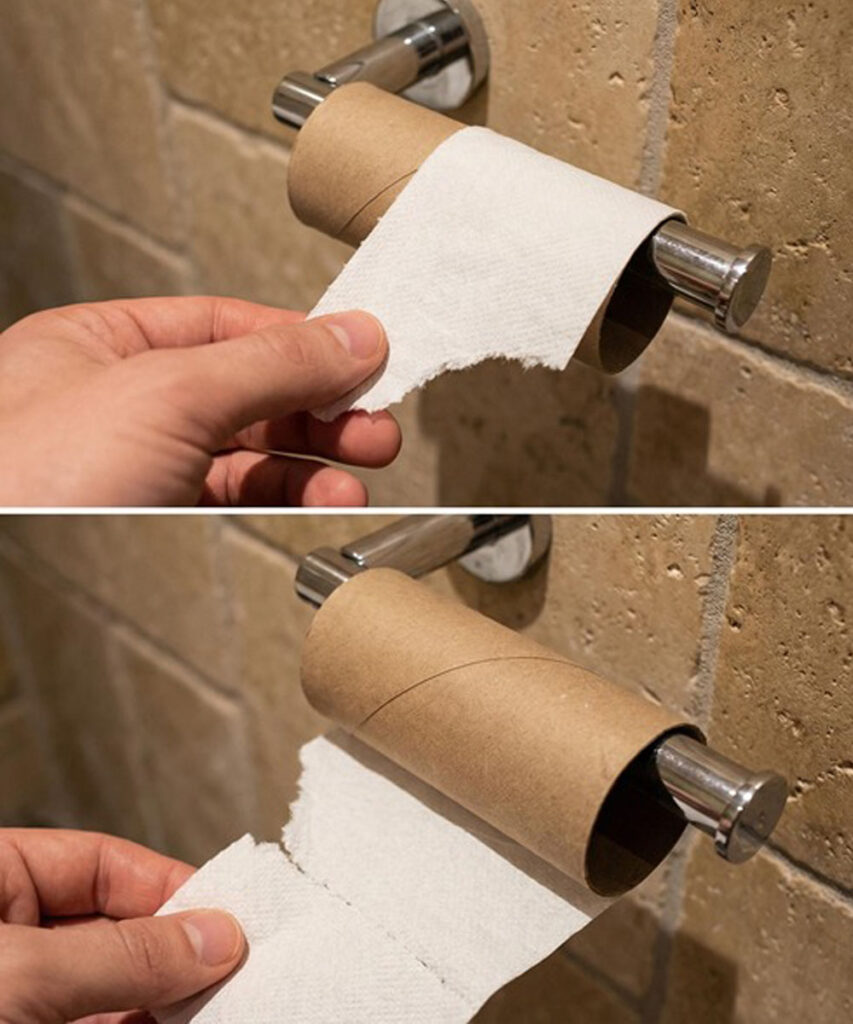
Every day, millions of people use toilet paper as a routine household staple, rarely stopping to consider its long-term impact. However, increasing debate in places like France and other Western countries suggests that this everyday product may be headed for change.
As awareness of environmental protection and mindful consumption grows, people are beginning to rethink daily habits. Toilet paper, once viewed as indispensable, is now under scrutiny for its environmental footprint and the effects of its mass production and disposal.
Modern toilet paper traces its roots to the mid-1800s, when Joseph Gayetty introduced it in the United States.
Over time, it became the global norm.
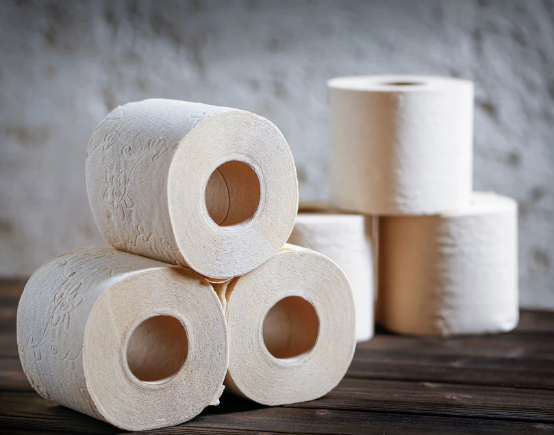
Yet its production depends heavily on wood, water, and energy, contributing to deforestation and industrial pollution.
In addition to environmental concerns, some scientific research—including studies linked to the University of Florida—has raised questions about chemical residues found in certain paper products.
Although safety regulations are in place, such findings have prompted consumers to pay closer attention to the products they use every day and their potential long-term health implications.
As a result, alternative hygiene options are gaining attention. In many regions, washing with water and mild soap has long been considered both cleaner and more environmentally sound.
This has fueled renewed interest in bidets, particularly as modern versions become more affordable and easier to install.
In countries such as Japan, high-tech toilets with water-cleaning functions are already widespread, offering comfort while drastically cutting paper waste.
Another emerging alternative is reusable toilet paper made from washable fabrics, which can be cleaned and reused multiple times. While unfamiliar to some, these options appeal to households looking to reduce waste and save money over time.
In the future, moving away from traditional toilet paper will largely depend on public openness, infrastructure, and supportive policies. Although installing bidets or switching to reusable products may involve upfront costs, these can be balanced by long-term savings and environmental benefits.
Governments and local authorities can help accelerate this shift by promoting sustainable bathroom solutions through incentives, updated building codes, and public awareness campaigns.
Ultimately, rethinking hygiene habits is not just about replacing one product—it reflects a wider commitment to sustainability, health, and responsible living. By adopting smarter alternatives, societies can work toward cleaner, greener, and more future-ready hygiene practices without compromising comfort or safety.